In today’s competitive digital landscape, 10 essential video marketing tips for small businesses can make all the difference in building brand awareness, engaging customers, and driving sales. Video marketing is one of the most effective tools small businesses can use to connect with their audience, showcase products or services, and grow their customer base.
Video is not only a powerful medium to connect with potential customers, but it’s also cost-effective and highly engaging. Moreover, whether you’re a startup or an established small business, video marketing can help you build brand awareness, boost conversions, and grow your customer base.
Therefore, in this article, we’ll explore 10 actionable video marketing tips designed specifically for small businesses looking to maximize their impact without breaking the bank.
1. Start with a Clear Goal
Before diving into video creation, it’s crucial to outline your goals. After all, having a clear objective will guide your content strategy and help ensure your videos are effective.
Example Goals:
-
Drive website traffic through educational how-to videos.
-
Increase sales by promoting special offers or new products.
-
Build brand credibility by sharing customer testimonials or success stories.
Tip: Always align your goals with measurable outcomes so you can track success.
2. Create Videos with Your Target Audience in Mind
Next, understanding your audience is key to producing videos that resonate. Consider the demographics, interests, and behaviors of your target market. Furthermore, your content should address their pain points, answer their questions, or entertain them in ways that align with your brand.
Tip: If you’re a local business, create content that speaks to your community. For example, a local bakery could make videos about sourcing ingredients from nearby farms.
3. Leverage Affordable Tools for Video Creation
You don’t need a massive budget to create quality videos. In fact, there are numerous affordable tools and software that make video production accessible for small businesses. Even better, your smartphone is often enough to produce high-quality content. Additionally, free or inexpensive editing software like iMovie, DaVinci Resolve, or Adobe Spark can enhance your videos further.
Tip: Use natural light and a clean backdrop to improve video quality without expensive equipment.
4. Tell a Story
People are drawn to stories more than sales pitches. Therefore, use storytelling to make your videos more engaging and relatable. For instance, share the journey of your business, challenges you’ve overcome, or how your product has impacted a customer’s life.
Example: A small coffee shop might create a video highlighting their journey from a dream to opening day, showing clips of the building process, early morning coffee roasts, and happy customers.
5. Keep It Short and Sweet
Attention spans are short, especially online. Consequently, try to keep promotional videos between 60–90 seconds, and educational or testimonial videos under three minutes. This way, your audience stays engaged from start to finish Video marketing tips for small businesses.
Tip: Start with a strong hook in the first 5–10 seconds to capture attention immediately. For example, ask a question or present a problem your audience cares about right at the start.
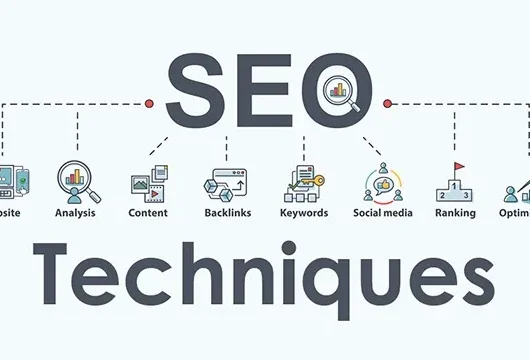
6. Optimize Your Videos for SEO
To ensure your videos are discoverable, it’s important to optimize them for search engines. As a result, this can drive more organic traffic to your website or social media platforms.
How to Optimize:
-
Choose a strong title that includes relevant keywords.
-
Write a descriptive caption that explains the content and incorporates target keywords.
-
Add relevant tags on YouTube or your hosting platform to categorize your content.
-
Include a CTA in both the video and description to encourage viewers to visit your website, subscribe, or follow your business.
Example: A florist could create a video titled “How to Create Beautiful Wedding Bouquets” and include keywords like “wedding flowers,” “DIY bouquets,” and “flower arrangement tips” in the description.
7. Showcase Customer Testimonials
Customer testimonials are one of the most powerful forms of social proof. In particular, they provide potential customers insight into real experiences, helping build trust in your business. Therefore, create short videos where happy customers talk about their positive experiences.
Tip: Ask customers to be genuine and speak about a specific problem your business helped solve. Keep testimonials natural and unscripted.
8. Create Tutorials and How-to Videos
Educational content is highly valuable and often has a long shelf life. Thus, creating tutorial videos or how-to guides relevant to your products or services can position your business as an expert.
Example: A local hardware store could produce videos on DIY home repair projects, offering helpful tips and featuring products they sell.
Bonus: These videos are often shared more frequently, giving your content greater exposure.
9. Repurpose Your Video Content
Maximize the reach of your videos by repurposing content across different platforms. For instance, cut longer videos into short snippets for social media, or turn a customer testimonial into a blog post. Additionally, embed videos in email newsletters or feature them on your website’s homepage Video marketing tips for small businesses.
Example: A five-minute product demo can be edited into a 30-second highlight reel for Instagram, used in a blog post, and shared in full on YouTube.
10. Track Performance and Adjust Your Strategy
Once your videos are live, it’s essential to monitor performance. By analyzing metrics such as views, engagement, and conversion rates, you can determine what works and what needs improvement.
Metrics to Monitor:
-
Watch time: How long are people watching your videos?
-
Engagement: Are viewers liking, sharing, or commenting?
-
Click-through rate (CTR): Are viewers taking action, like visiting your website or making a purchase?
If a certain type of video resonates with your audience, create more along those lines. Conversely, if a video underperforms, analyze why and make adjustments for future projects.
FAQ: Video Marketing for Small Businesses
1. How much does it cost to create a video for my small business?
Costs vary depending on production quality. You can start with just a smartphone and free editing tools, which keeps expenses very low, or invest in professional production for higher-end results.
2. How long should my videos be?
For promotional videos, aim for 60–90 seconds. Educational or testimonial videos can go up to 3 minutes. Always hook viewers in the first 5–10 seconds.
3. Which platforms are best for sharing videos?
Social media platforms like Facebook, Instagram, TikTok, and YouTube are ideal. Additionally, embedding videos on your website or including them in email campaigns can boost engagement.
4. How can I make my videos discoverable online?
Optimize for SEO by using relevant keywords in your title, description, and tags. Add captions, create an appealing thumbnail, and include a clear call-to-action (CTA).
5. How do I know if my video marketing is working?
Track metrics such as views, watch time, engagement (likes, shares, comments), and conversion rates. Use this data to refine and improve future videos.
Conclusion
Video marketing is one of the most effective tools for small businesses to grow their brand and engage with customers. Moreover, you don’t need a massive budget or a Hollywood studio to succeed—just a clear goal, a compelling story, and a solid strategy.
By following these tips, you’ll be well on your way to creating impactful video content that resonates with your audience and drives real results for your small business. Now, it’s time to start planning your video marketing strategy and take your small business to new heights!