Best e-commerce marketing platforms are essential for growing your online store, driving traffic, and increasing sales. In the rapidly expanding world of e-commerce, choosing the right marketing tools can help you reach more customers, boost engagement, and scale your business effectively.
Fortunately, the best e-commerce marketing platforms offer features that help streamline marketing efforts, track performance, and connect with customers more efficiently. As a result, when the right platform is in place, businesses can improve visibility, boost engagement, and ultimately drive more conversions. Therefore, selecting the right tools is a critical step for long-term success.
With this in mind, below is a breakdown of some of the top e-commerce marketing platforms you can use to take your online store to the next level.
1. Shopify
Shopify is a leading e-commerce platform that not only allows you to create an online store but also provides powerful built-in marketing tools. By combining store management with marketing features, Shopify enables businesses to manage everything from one central dashboard. In turn, this simplifies daily operations and improves marketing execution. As a result, businesses can save time while remaining efficient.
Key Features:
-
Built-in SEO tools to help improve search engine rankings
-
Social media integration, allowing you to sell directly on Facebook, Instagram, and Pinterest
-
Email marketing campaigns through Shopify Email to engage customers
-
Shopify Analytics for tracking sales and marketing performance
Why It’s Great:
Overall, Shopify is beginner-friendly and offers a wide variety of templates. As a result, businesses can get started quickly and with minimal technical knowledge. Moreover, it is suitable for companies of all sizes. In particular, it works well for both startups and well-established brands.
2. Mailchimp
Mailchimp is a popular email marketing platform designed to help e-commerce businesses build strong relationships with their customers. In addition to email creation, it offers automation, audience segmentation, and advanced analytics. Because of this, campaigns are more likely to reach the right people at the right time. Consequently, engagement rates often improve.
Key Features:
-
Pre-built email templates with drag-and-drop design tools
-
Automated emails for abandoned cart recovery, product recommendations, and welcome series
-
Advanced segmentation and personalization options
-
Comprehensive analytics to measure campaign performance
Why It’s Great:
Mailchimp is well known for its simplicity and flexibility. Therefore, it is an excellent choice for businesses focused on growing their email lists. At the same time, it allows marketers to deliver personalized messages at scale.
3. Google Ads
Google Ads is one of the most effective platforms for e-commerce businesses looking to drive traffic quickly. Because of Google’s massive reach, your ads can appear in front of users who are actively searching for products similar to yours. As a result, traffic quality is often much higher. In many cases, this leads to faster conversions.
Key Features:
-
Pay-per-click (PPC) campaigns targeting specific keywords
-
Display ads across Google’s partner websites and YouTube
-
Remarketing tools to re-engage previous visitors
-
Detailed analytics for monitoring campaign performance
Why It’s Great:
Google Ads offers high visibility and precise targeting. Consequently, it allows businesses to reach high-intent users. As a result, the likelihood of conversions increases significantly.
4. Facebook Ads
With over 2.8 billion monthly active users, Facebook remains one of the most powerful platforms for e-commerce marketing. By leveraging detailed user data, Facebook Ads help businesses reach highly specific audiences. As a result, ad relevance improves. In turn, engagement rates often increase.
Key Features:
-
Custom audience targeting based on demographics, interests, and behavior
-
Retargeting options for users who viewed products but didn’t purchase
-
Seamless integration with Instagram for cross-platform advertising
-
In-depth analytics to measure campaign effectiveness
Why It’s Great:
Thanks to its advanced targeting capabilities, Facebook allows businesses to deliver highly personalized ads. Therefore, brands can connect with their ideal customers more effectively. Ultimately, this helps drive higher sales.
5. Klaviyo
Klaviyo is an advanced email marketing platform built specifically for e-commerce businesses. Unlike general email tools, it focuses heavily on customer behavior and data-driven personalization. Because of this focus, messaging becomes more relevant and timely. As a result, customer engagement improves.
Key Features:
-
Detailed segmentation based on browsing and purchase history
-
Pre-built automation flows for abandoned carts and follow-ups
-
A/B testing for subject lines, content, and timing
-
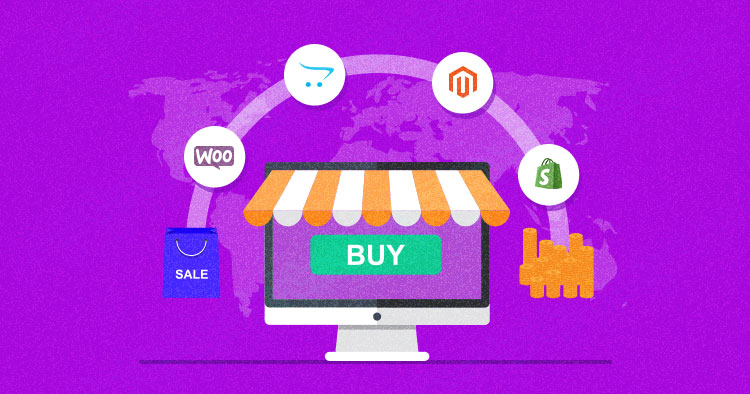
Seamless integration with platforms like Shopify, WooCommerce, and Magento
Why It’s Great:
Klaviyo’s customization options make it ideal for scaling businesses. Therefore, it is especially effective for brands that rely on targeted, data-driven marketing strategies.
6. Hootsuite
Hootsuite is a social media management platform that helps businesses manage multiple accounts efficiently. By centralizing social media activity, it simplifies scheduling, engagement, and performance tracking. As a result, teams can save time. At the same time, consistency across platforms improves.
Key Features:
-
Scheduling posts across Instagram, Facebook, Twitter, and LinkedIn
-
Real-time monitoring of social media activity
-
In-depth reporting and analytics
-
Team collaboration tools for account management
Why It’s Great:
Hootsuite helps businesses stay organized and consistent. Consequently, it is an excellent solution for brands managing multiple social media channels.
7. Big Commerce
Big Commerce is a powerful e-commerce platform offering comprehensive tools for store creation and marketing. In addition to strong SEO capabilities, it supports multi-channel selling and advanced integrations. Because of this, businesses can expand more easily. Over time, this supports sustainable growth.
Key Features:
-
Built-in SEO tools to improve organic visibility
-
Integration with Google Shopping, Amazon, eBay, and Facebook Marketplace
-
Advanced reporting on sales and customer behavior
-
Email marketing and abandoned cart recovery tools
Why It’s Great:
Big Commerce is highly scalable and flexible. Therefore, it is particularly well suited for businesses planning to expand across multiple sales channels.
8. Buffer
Buffer is a user-friendly social media marketing platform that helps businesses plan and track content performance. Because of its clean interface, it is easy to manage social media campaigns efficiently. At the same time, it provides useful insights. As a result, optimization becomes easier.
Key Features:
-
Scheduling and publishing across multiple platforms
-
Detailed analytics on engagement, reach, and clicks
-
Content calendar for campaign planning
-
Collaboration tools for team-based marketing
Why It’s Great:
Buffer’s simplicity makes it ideal for businesses that want effective social media management without complexity. As a result, it is a popular choice for growing brands.
Frequently Asked Questions (FAQ)
1. What is the best e-commerce marketing platform for beginners?
In general, Shopify is considered one of the best e-commerce marketing platforms for beginners. Because it offers built-in marketing tools, user-friendly templates, and easy integrations, new business owners can get started quickly. As a result, beginners can focus more on selling and less on technical setup.
Conclusion
Choosing the right e-commerce marketing platform can have a major impact on your business’s growth and long-term success. While each platform offers unique benefits, the best choice ultimately depends on your goals and overall marketing strategy. Therefore, careful evaluation is essential.
In conclusion, whether you want to improve email marketing, boost social media engagement, or run high-performing PPC campaigns, the platforms discussed above provide the tools needed to succeed. Ultimately, by choosing the right platform, you position your business for sustainable growth. Therefore, start exploring these options today to find the platform that best supports your business objectives.