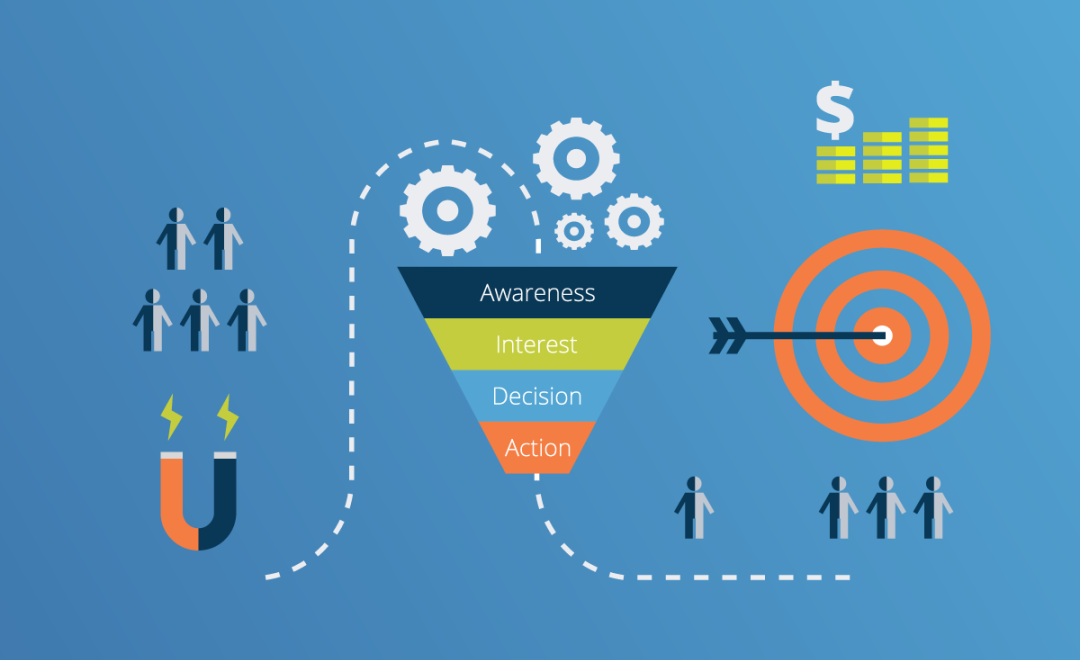
B2B Lead Generation Tips are essential for businesses looking to accelerate growth and attract high-quality clients. In today’s competitive B2B landscape, using proven strategies to generate leads can help you build lasting relationships, shorten sales cycles, and increase conversions. This article shares actionable tips to enhance your lead generation efforts and drive measurable results.
Therefore, this article presents actionable tips to enhance your B2B lead generation efforts, helping you attract and convert high-quality leads.
1. Define Your Ideal Customer Profile
First, identify key characteristics: understand the attributes of your best customers, including industry, company size, location, and pain points. This clarity allows you to focus your marketing efforts on the most promising leads.
Next, create buyer personas: develop detailed profiles that represent your ideal customers. Include their roles, decision-making processes, and challenges to tailor your messaging and outreach strategies effectively.
2. Optimize Your Website for Lead Generation
Additionally, ensure your website has a professional design: it should be visually appealing, mobile-friendly, and easy to navigate. A well-structured site keeps visitors engaged and encourages them to explore your offerings.
Furthermore, use compelling CTAs: include clear and persuasive calls to action throughout your site. For instance, guide visitors toward desired actions, such as downloading resources, signing up for newsletters, or requesting demos.
3. Leverage Content Marketing
Similarly, create high-quality, relevant content: publish blog posts, case studies, whitepapers, and infographics that address your audience’s pain points and interests. As a result, valuable content positions you as a thought leader and attracts potential leads.
In addition, offer lead magnets: use resources like eBooks, checklists, and webinars to collect contact information. Be sure that these resources provide genuine value to encourage sign-ups.
4. Utilize Social Media for Engagement
Choose wisely the platforms: focus on social media channels that your target audience frequents, such as LinkedIn, Twitter, or Facebook. In particular, LinkedIn is effective for B2B networking and lead generation.
Moreover, engage and share: post valuable content, participate in discussions, and connect with industry professionals. By doing so, you position your brand as a trusted authority.
5. Implement Email Marketing Campaigns
To start, segment your email list: organize it based on criteria such as industry, company size, and engagement level. This segmentation allows for more personalized and relevant communication.
Additionally, nurture leads with drip campaigns: set up automated email sequences to provide valuable content and maintain engagement over time. Consequently, drip campaigns guide leads through the sales funnel, increasing the likelihood of conversion.
6. Host Webinars and Virtual Events
For example, organize educational webinars on relevant topics that address your audience’s challenges. In these events, you can showcase your expertise and collect attendee information for follow-up.
Also, incorporate interactive sessions: add Q&A segments to engage participants and address their specific concerns. This approach fosters trust and credibility.
7. Network and Build Strategic Partnerships
Attend industry events: participate in trade shows, conferences, and networking events to connect with potential leads and industry professionals. As a result, building relationships can lead to valuable referrals and collaborations.
Furthermore, collaborate with other businesses: partner with complementary companies to co-host events or create joint content. Consequently, this strategy can expand your reach and introduce your brand to new audiences.
8. Use Paid Advertising Wisely
Invest in PPC campaigns: use pay-per-click advertising to drive targeted traffic to your website. For instance, platforms like Google Ads and LinkedIn Ads allow for precise targeting based on job title, industry, and other demographics.
In addition, implement retargeting campaigns to re-engage visitors who have interacted with your website. Therefore, your brand stays top-of-mind and encourages return visits.
9. Analyze and Optimize Your Strategies
Finally, monitor performance metrics: use analytics tools to track the effectiveness of your lead generation efforts. Focus on metrics such as conversion rates, traffic sources, and engagement levels to identify areas for improvement.
Moreover, perform A/B testing: experiment with different approaches, such as varying email subject lines or landing page designs, to determine what resonates best with your audience.
Frequently Asked Questions (FAQ)
Q1: What are the most effective lead generation tips for B2B businesses?
A: Focus on defining your ideal customer profile, optimizing your website, creating valuable content, leveraging social media, and using targeted email campaigns. These strategies help attract and convert high-quality leads.
Q2: How long does it take to see results from B2B lead generation strategies?
A: Results vary depending on your industry and approach. Generally, it can take a few weeks to several months to see measurable improvements in lead quality and conversions.
Q3: Can social media really help with lead generation in B2B?
A: Yes. Platforms like LinkedIn are highly effective for B2B networking. Sharing valuable content and engaging with industry professionals can generate qualified leads over time.
Q4: Should I use paid advertising for lead generation?
A: Absolutely. Paid campaigns, such as Google Ads or LinkedIn Ads, allow precise targeting and can complement organic strategies to increase lead flow.
Conclusion
In summary, effective B2B lead generation requires a strategic approach that focuses on understanding your audience and delivering genuine value.
By defining your ideal customer profile, optimizing your website, leveraging content marketing, and utilizing various engagement strategies, you can attract and convert high-quality leads.
Ultimately, implement these tips and continuously refine your strategies to ensure sustained growth and success.