Lead Generation Tips for Small Businesses: Strategies for Success are essential for attracting new customers, increasing sales, and growing your brand in a competitive market. For small businesses, generating leads efficiently is critical because resources are often limited. By following these strategies, you can maximize your marketing efforts, nurture potential customers, and convert them into loyal clients.
With that in mind, here are practical lead generation tips tailored specifically for small businesses.
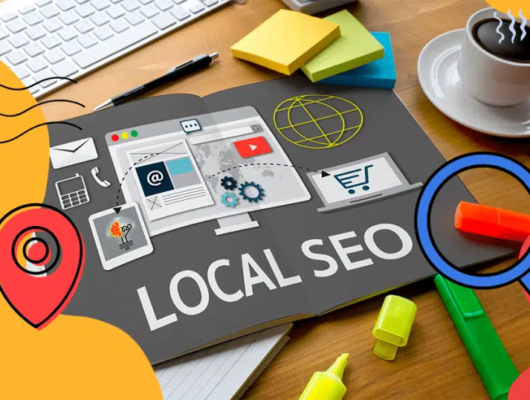
1. Leverage Local SEO
First and foremost, local search engine optimization (SEO) is vital for small businesses serving specific geographic areas. To optimize for local searches, consider:
-
Google My Business: Create and optimize your listing to enhance visibility in local search results.
-
Local Keywords: Incorporate relevant local keywords into your website content, meta tags, and blog posts.
-
Customer Reviews: Encourage satisfied customers to leave positive reviews, which can improve rankings and attract new leads.
By doing so, your business becomes more discoverable to nearby potential customers. Additionally, it builds credibility in your local market.
2. Build a Strong Online Presence
Next, establishing a robust online presence is crucial. For example, small businesses should:
-
Professional Website: Ensure your website is user-friendly, mobile-responsive, and optimized for conversions. Include clear CTAs to guide visitors toward taking action.
-
Active Social Media: Engage with your audience on platforms where your customers spend time. Furthermore, share valuable content, respond to comments, and promote your services.
Together, these steps help create trust and authority in your niche, which in turn attracts more potential leads.
3. Utilize Content Marketing
In addition, content marketing is an effective way to attract and nurture leads. Specifically, small businesses can:
-
Educational Blog Posts: Write posts that address common questions or challenges your target audience faces.
-
How-To Guides and Tutorials: Offer valuable resources that provide solutions and showcase your expertise.
-
Videos and Webinars: Use videos to engage potential leads and host webinars to educate your audience while collecting their contact information.
Consequently, content not only attracts leads but also positions your business as an authority. Moreover, it encourages sharing and repeat visits.
4. Network and Build Relationships
Additionally, networking is key for small businesses. For instance, you can:
-
Attend Local Events: Participate in community events, trade shows, and networking meetups.
-
Join Industry Associations: Membership in relevant associations provides visibility and networking opportunities.
-
Collaborate with Other Businesses: Partner with complementary businesses for joint promotions or events, reaching each other’s audiences.
As a result, these efforts help expand your reach and generate more leads. Furthermore, networking strengthens your reputation within your industry.
5. Offer Lead Magnets
Moreover, lead magnets are incentives that encourage potential leads to share their contact information. Some effective options include:
-
Free Trials or Samples: Let potential customers experience your product or service risk-free.
-
Exclusive Discounts: Offer limited-time discounts in exchange for email sign-ups.
-
Informative eBooks or Checklists: Provide downloadable resources that deliver valuable insights.
When implemented correctly, lead magnets increase sign-ups and improve conversion rates. In addition, they help qualify leads by attracting users genuinely interested in your offerings.
6. Implement Email Marketing
Additionally, email marketing is a cost-effective way to nurture leads and stay connected with customers. To get started:
-
Build Your Email List: Collect addresses through your website, social media, and during events.
-
Segment Your Audience: Divide your list based on behavior and interests for more targeted messaging.
-
Automate Your Campaigns: Use automated sequences to nurture leads with valuable content and offers.
As a result, your leads receive personalized communication that drives engagement. Moreover, consistent emails keep your brand top-of-mind.
7. Use Online Advertising
Besides organic methods, online advertising can effectively generate leads. For example:
-
Google Ads: Target specific keywords with pay-per-click (PPC) campaigns.
-
Social Media Ads: Run targeted ads on platforms like Facebook and Instagram to reach potential customers.
-
Retargeting Campaigns: Reconnect with website visitors who didn’t convert on their first visit.
Consequently, online ads can complement your organic efforts and increase visibility. In addition, retargeting often boosts conversion rates by reminding potential leads of your offerings.
8. Monitor and Analyze Your Efforts
Finally, regularly tracking and analyzing your lead generation is essential for improvement. Use tools like Google Analytics to:
-
Track Website Traffic: Identify where leads are coming from and which channels perform best.
-
Measure Conversion Rates: Understand how many visitors become leads and where improvements are needed.
-
Assess Content Performance: Determine which content drives the most engagement and conversions.
By continuously optimizing, you can make informed decisions that maximize your results. Furthermore, ongoing analysis helps you stay ahead of competitors lead generation tips for small businesses.
Frequently Asked Questions (FAQ)
1. Why is lead generation important for small businesses?
Lead generation helps small businesses attract potential customers, fill their sales pipeline, and grow sustainably. Moreover, it establishes a foundation for long-term success.
2. Which lead generation strategies work best for small businesses?
The most effective strategies include local SEO, content marketing, social media engagement, email campaigns, and offering lead magnets. In addition, combining these tactics often delivers the best results.
3. How can I improve my lead conversion rates?
You can improve conversions by optimizing your website, using clear CTAs, offering valuable lead magnets, and personalizing email communications. Furthermore, testing different approaches can help you identify what works best.
4. Should small businesses invest in online advertising?
Yes, online advertising such as Google Ads, social media ads, and retargeting campaigns can complement organic strategies and attract targeted leads. Additionally, it allows you to reach a larger and more specific audience.
5. How often should I analyze my lead generation efforts?
It’s best to review results monthly to track traffic, conversions, and content performance, and then adjust your strategies for continuous improvement. By doing so, you ensure consistent growth and efficiency.
Conclusion
In conclusion, lead generation may seem daunting for small businesses, but implementing these strategies creates an effective system for growth. By focusing on building relationships, providing value, and optimizing your online presence, you can attract and convert more leads.
Ultimately, with dedication, consistency, and ongoing refinement, your small business can thrive even in the most competitive markets. Moreover, staying adaptable ensures you continue to meet evolving customer needs.