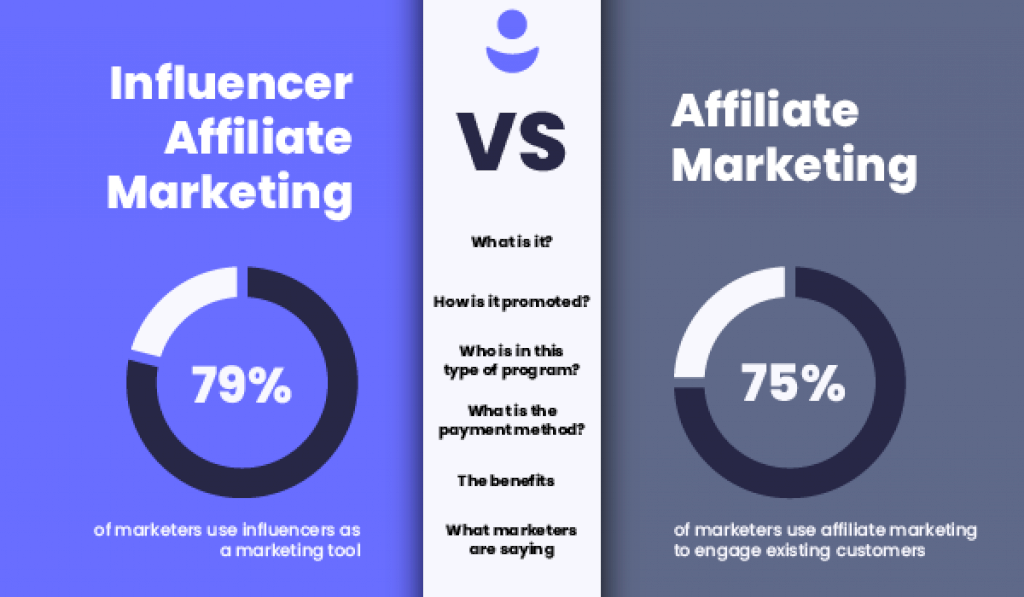
Affiliate Marketing Programs for Influencers offer one of the most effective ways to turn your audience into a reliable income stream. As an influencer, you’ve already built trust and credibility with your followers. Because of that trust, recommending products through affiliate partnerships can generate consistent commissions without creating your own products.
In essence, instead of developing your own products, you can recommend items you already use and love. As a result, you create a revenue stream that feels both authentic and sustainable.
In this guide, we’ll explore the best affiliate marketing programs for influencers. Additionally, you’ll learn how to choose the right programs for your niche and, more importantly, how to maximize your earnings over time.
Why Affiliate Marketing Works So Well for Influencers
Affiliate marketing aligns naturally with influencer marketing. First and foremost, authenticity drives conversions. Since your followers already value your opinion, recommendations feel genuine rather than forced.
Furthermore, affiliate marketing offers passive income potential. Once content is published, it can continue generating commissions for months—or even years. In other words, your past work keeps paying you.
Another important benefit is operational simplicity. Unlike launching your own brand, you don’t have to manage inventory, shipping, or customer service. Instead, you focus entirely on creating engaging content.
Finally, affiliate opportunities exist in almost every niche. From beauty and fashion to tech and travel, there is always a relevant brand partnership available. Therefore, it’s easy to stay aligned with your personal brand.
Best Affiliate Marketing Programs for Influencers
1. Amazon Associates
To begin with, Amazon Associates remains one of the most accessible affiliate programs. Because Amazon sells nearly everything, influencers across virtually all niches can find suitable products.
Commission rate: 1%–10% depending on category.
Key benefits include:
-
Global brand recognition, which increases conversions
-
An enormous product selection
-
The ability to create curated lists and gift guides
For example, you can publish “Amazon Must-Haves” or seasonal shopping guides. Consequently, followers are more likely to click and purchase.
2. RewardStyle (LIKEtoKNOW.it)
For fashion and lifestyle influencers, RewardStyle is particularly powerful. Its LIKEtoKNOW.it app allows audiences to shop directly from influencer-curated posts.
Commission rate: Typically 5%–20%.
Notable advantages:
-
Access to premium fashion and beauty brands
-
Seamless Instagram and Pinterest integration
-
Easy monetization of outfit posts
Similarly, influencers can create lookbooks or styling videos. As a result, followers enjoy a frictionless shopping experience.
3. ShareASale
If you prefer flexibility, ShareASale provides thousands of merchant options. Because of its wide network, influencers can experiment with different partnerships under one platform.
Commission rate: Usually 5%–20%.
In addition to variety, ShareASale offers detailed reporting tools. Therefore, you can track which products perform best and adjust your strategy accordingly.
4. Sephora Affiliate Program
Beauty creators, in particular, benefit from Sephora’s established credibility. Since customers already trust the brand, conversions often occur more easily.
Commission rate: Around 5%.
Moreover, Sephora regularly launches seasonal campaigns and exclusive collections. For instance, influencers can promote limited-edition releases or trending skincare products.
5. CJ Affiliate
Meanwhile, CJ Affiliate connects influencers with major global brands across industries. Therefore, it’s ideal if you want partnerships with recognized companies.
Commission rate: Typically 5%–20%.
In addition, the platform offers advanced tracking tools. Consequently, you can analyze performance data and optimize high-converting content.
6. Skimlinks
On the other hand, if you prefer automation, Skimlinks simplifies affiliate marketing by converting regular links into affiliate links automatically.
Commission rate: Generally 3%–20%.
As a result, you save time and avoid managing multiple affiliate accounts. Furthermore, access to thousands of retailers makes content monetization seamless.
7. Impact
Impact focuses on premium brand partnerships. In contrast to broader networks, it often allows more direct relationships with advertisers.
Commission rate: Varies, sometimes up to 30%.
Additionally, Impact provides sophisticated tracking dashboards. Therefore, influencers who prioritize data-driven decisions may find this platform especially useful.
8. Etsy Affiliate Program
Finally, Etsy’s affiliate program works well for influencers who highlight handmade or vintage products. Because Etsy supports independent creators, it resonates strongly with creative audiences.
Commission rate: Around 4%.
For example, DIY bloggers can feature unique home décor finds. Similarly, gift guides featuring handmade items often perform exceptionally well.
Tips for Maximizing Affiliate Earnings
Even with the right programs, strategy matters. First, stay authentic and promote products you genuinely trust. Otherwise, audience trust may decline.
Next, diversify your traffic sources. By sharing links across multiple platforms, you increase exposure and conversion potential.
Moreover, focus on high-value content such as tutorials, comparisons, and in-depth reviews. These formats typically convert better than simple promotional posts.
Finally, monitor analytics consistently. When you identify top-performing products, double down on similar content. Over time, this optimization significantly boosts revenue.
Frequently Asked Questions (FAQ)
1. What is the best affiliate marketing program for influencers?
The best affiliate marketing program for influencers depends on your niche. For example, Amazon Associates works well across multiple industries, while RewardStyle is ideal for fashion and lifestyle creators. Ultimately, the right choice aligns with your audience’s interests.
2. Do influencers need a website for affiliate marketing?
Not necessarily. While having a blog can improve SEO and long-term traffic, many influencers successfully use Instagram, TikTok, or YouTube. However, owning a website gives you more control over content and link placement.
3. How much can influencers earn from affiliate marketing?
Earnings vary widely. In the beginning, commissions may be small. Over time, however, influencers with engaged audiences can generate consistent monthly income. Therefore, growth depends on audience trust, content quality, and traffic volume.
4. How can influencers increase affiliate conversions?
To increase conversions, focus on authenticity and value-driven content. For instance, tutorials, reviews, and comparison posts tend to perform better than generic promotions. Additionally, clear calls-to-action can significantly improve click-through rates.
5. Is affiliate marketing better than brand sponsorships?
Both strategies have benefits. On the one hand, sponsorships offer fixed payments. On the other hand, affiliate marketing provides ongoing passive income potential. Ideally, influencers combine both to diversify revenue streams.
Conclusion
In conclusion, affiliate marketing provides influencers with a scalable and sustainable monetization strategy. Because it aligns with authentic recommendations, it feels natural to both creators and audiences.
Whether you promote products through Amazon Associates, curate fashion with RewardStyle, or showcase handmade goods via Etsy, consistent effort and strategic optimization will lead to stronger results.
Ultimately, by combining authenticity, diversification, and data-driven decisions, influencers can transform affiliate marketing into a reliable long-term income stream.