In the highly regulated and trust-driven financial services industry, content marketing is a powerful way to educate, engage, and build credibility with potential clients. However, unlike other sectors, financial content marketing must focus on delivering value while addressing compliance requirements and building trust.
Therefore, a strategic approach is essential. Here’s a guide to developing an impactful content marketing strategy for financial services.
1. Understand Your Audience’s Needs and Challenges
Create Customer Personas
First, start by identifying your target audience segments and building detailed personas. For financial services, this could include segments such as:
-
Individual Investors: People looking to manage wealth, save for retirement, or invest in the stock market.
-
Small Business Owners: Individuals interested in business loans, financial planning, or tax strategies.
-
High-Net-Worth Individuals: Clients needing estate planning, wealth management, or risk mitigation advice.
By doing so, you can tailor content that addresses their specific needs and concerns.
Conduct Market Research
In addition, use surveys, interviews, and online forums to gather insights into what your audience is looking for in financial content. For example, understanding questions like “How do I save for retirement?” or “What are the tax benefits of investing in real estate?” allows you to create content that directly addresses your audience’s financial challenges.
2. Develop High-Value, Trust-Building Content
Types of Content
Next, choose content formats that add value and are easy to understand. Here are some recommended types of content for financial services:
-
Educational Blog Posts: Write informative posts covering topics such as “Basics of Investing,” “How to Create a Retirement Plan,” or “Understanding Compound Interest.” Additionally, use plain language to ensure comprehension.
-
Guides and E-books: Create downloadable guides on topics like “Tax Planning for Small Businesses” or “Investing in a Volatile Market.” Moreover, these can be positioned as lead magnets.
-
Case Studies: Showcase success stories with anonymized case studies. By doing this, you can explain the financial challenges, your approach, and the results achieved, which builds credibility.
-
Infographics: Visual content is highly effective in simplifying complex information. For example, an infographic on “The Benefits of Diversification in Investing” can be shared widely on social platforms.
-
White Papers: For B2B financial clients, publish in-depth white papers on market trends or regulatory changes. As a result, you enhance credibility and position your firm as a thought leader.
-
Videos and Webinars: Host webinars on timely topics such as “Tax Tips for the End of the Year.” Furthermore, videos featuring financial tips or CEO messages are engaging and easily digestible.
Content Calendar
Meanwhile, plan a content calendar that aligns with the financial industry’s seasonal trends, such as tax season, end-of-year financial planning, or quarterly earnings periods. This ensures your content stays relevant and timely.
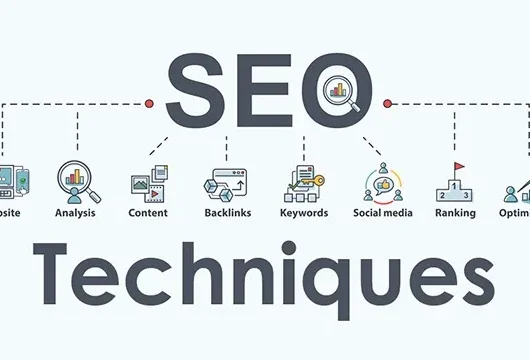
3. Prioritize SEO to Improve Visibility
Conduct Keyword Research
First, identify keywords and phrases your audience searches for, such as “how to invest in a bear market,” “financial planning tips for small businesses,” or “retirement savings strategies.” Then, use SEO tools like SEMrush or Google Keyword Planner to select high-impact keywords.
Optimize Content for Search Engines
Next, incorporate keywords naturally into your content, especially in titles, headers, and meta descriptions. Additionally, use well-structured formatting and add alt tags to images to improve search engine visibility. For example, a blog post titled “Retirement Planning Tips for Self-Employed Professionals” should be optimized for both “retirement planning” and “self-employed financial tips.”4. Leverage Social Media and Paid Advertising
Social Media Strategy
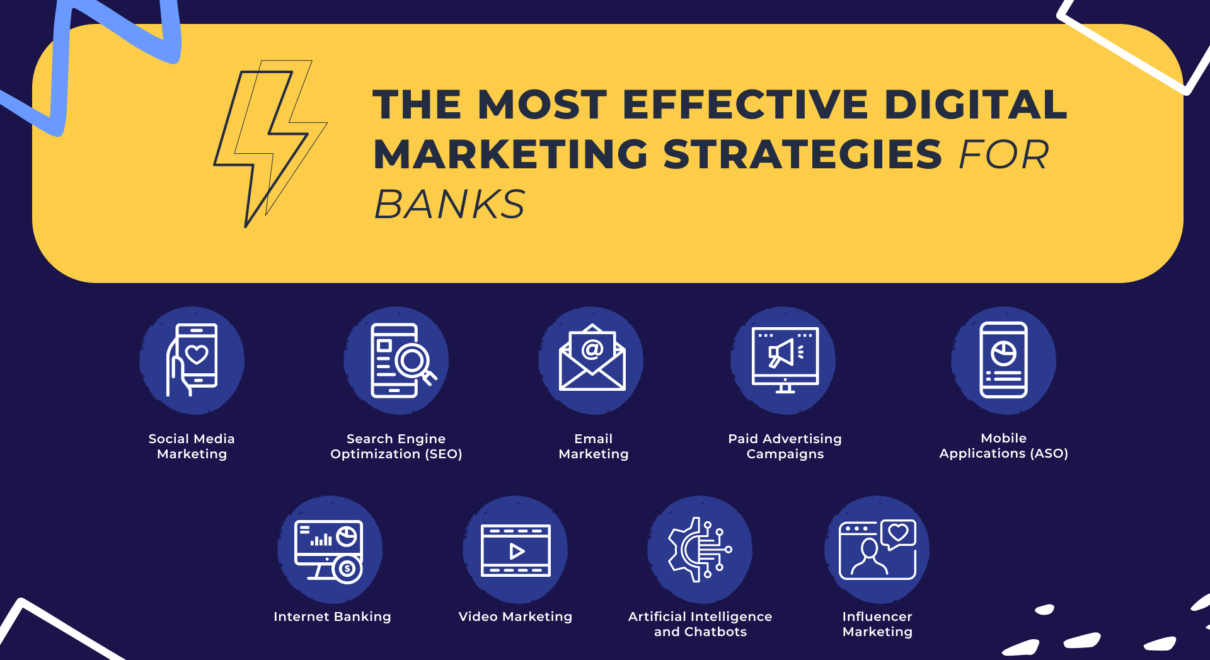
Furthermore, use platforms like LinkedIn, Twitter, and Facebook to distribute your content and engage with followers. LinkedIn, in particular, is effective for B2B financial content, where you can share articles, infographics, and market updates.
-
LinkedIn Articles and Posts: Share thought leadership articles and reports to position your brand as an expert.
-
Twitter Updates: Post timely updates about market trends or short tips that link back to more comprehensive content.
Paid Advertising for Amplified Reach
In addition, consider using Google Ads, LinkedIn Sponsored Content, or Facebook Ads to promote high-value content pieces like guides or webinars. As a result, you can reach a broader audience, especially those with niche financial needs.
5. Nurture Leads with Targeted Email Campaigns
Segment Your Email List
First, segment your email list based on client interests, engagement levels, or past interactions. Then, send tailored content such as tax-saving strategies to business owners, investment guides to individual investors, or market updates to high-net-worth clients.
Drip Campaigns for Lead Nurturing
Moreover, set up automated drip campaigns to nurture leads over time. For example, a new subscriber could receive an introductory email with a free guide, followed by articles on financial planning, and later an invitation to a live webinar.
6. Measure and Analyze Performance
Key Metrics
To track performance, focus on the following metrics:
-
Website Traffic: Monitor traffic to content pages to see what resonates best.
-
Engagement Rates: Track social shares, comments, and likes. High engagement indicates relevance and audience interest.
-
Lead Conversion: Measure leads generated from gated content such as e-book downloads or webinar registrations.
-
SEO Performance: Track keyword rankings and organic traffic growth.
Regular Content Audits
Additionally, conduct content audits to identify high-performing pieces and underperforming ones. For underperforming content, update it with new data, optimize for SEO, or repurpose it into a different format to increase impact.
7. Maintain Compliance and Trustworthiness
In financial services, compliance is essential. Therefore, ensure all content complies with regulatory standards, especially when discussing investment advice, tax laws, or financial products.
Add Disclaimers and Legal Checks
For example, include disclaimers where necessary and have legal and compliance teams review content. As a result, transparency and accuracy help establish trust, which is crucial in finance.
Conclusion
In conclusion, effective content marketing for financial services requires a strategic approach that combines education, compliance, and engagement.
By understanding your audience, creating high-value content, optimizing for SEO, leveraging social media, and maintaining regulatory compliance, your financial institution can build a strong online presence, foster trust, and convert leads into loyal clients.
As the financial industry evolves, staying adaptable and focused on delivering value will position your brand as a trusted advisor in the market.