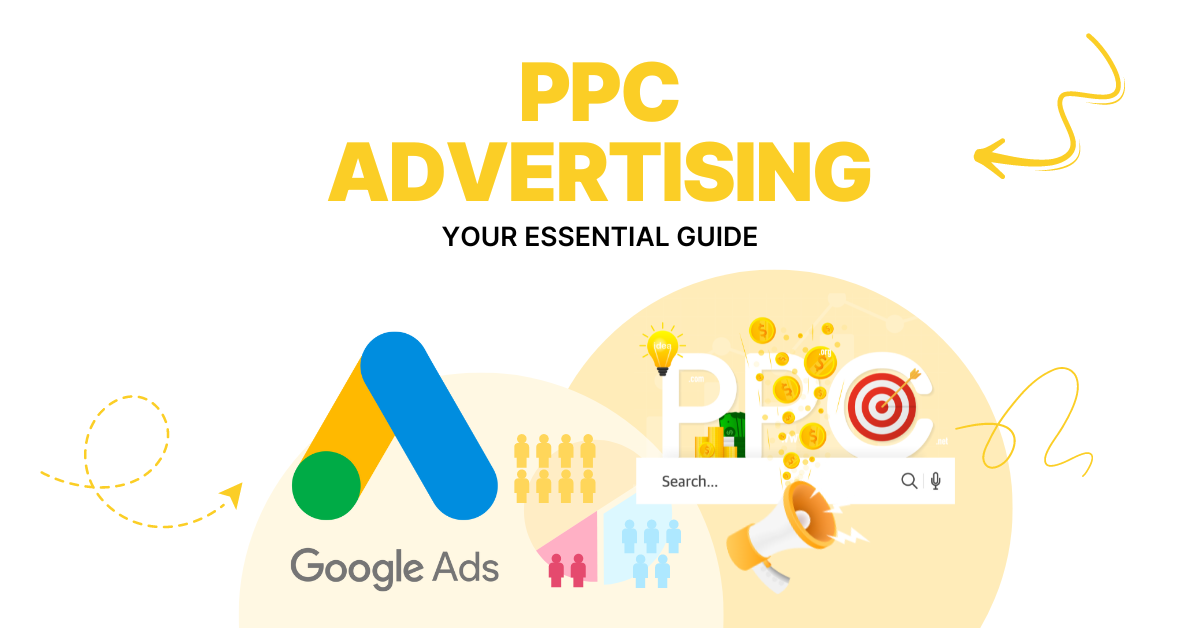
Pay-per-click (PPC) advertising is a powerful strategy for driving traffic, generating leads, and increasing sales. However, managing successful PPC campaigns can be complex and time-consuming. Therefore, to streamline the process and improve results, utilizing the right PPC advertising tools is essential.
In this article, we’ll explore some of the most effective tools available to help you optimize your PPC campaigns, enhance performance, and ultimately maximize your return on investment (ROI).
1. Google Ads
a. Overview
To begin with, Google Ads is the most widely used PPC advertising platform, allowing businesses to create ads that appear on Google’s search results and display network.
b. Key Features
-
Keyword Planner: First and foremost, this tool helps identify keywords while also providing data on search volume and competition.
-
Ad Extensions: Additionally, ad extensions enhance ads with extra information, such as sitelinks, callouts, and location details.
-
Performance Insights: Most importantly, Google Ads offers detailed analytics on campaign performance, enabling data-driven decision-making.
2. Microsoft Advertising
a. Overview
Similarly, Microsoft Advertising (formerly Bing Ads) is another significant PPC platform that allows businesses to reach users on Bing, Yahoo, and AOL.
b. Key Features
-
Import Campaigns from Google Ads: For convenience, advertisers can easily import existing campaigns from Google Ads, saving both time and effort.
-
Audience Targeting: Furthermore, in-market audiences help reach users actively looking to purchase.
-
LinkedIn Integration: Notably, targeting professionals by job title, company, and industry makes this platform especially effective for B2B marketing.
3. SEMrush
a. Overview
Beyond ad platforms, SEMrush is a comprehensive digital marketing tool that offers powerful features for PPC advertisers, including keyword research, competitive analysis, and ad tracking.
b. Key Features
-
Keyword Magic Tool: In particular, this tool identifies long-tail keywords while analyzing competition levels.
-
Ad Builder: Moreover, advertisers can create ad copy based on successful competitor campaigns.
-
PPC Keyword Tool: As a result, keyword organization and performance tracking become far more efficient.
4. Ahrefs
a. Overview
Although Ahrefs is primarily known for SEO, it also provides valuable insights for PPC advertisers, especially in keyword research and competitive analysis.
b. Key Features
-
Keyword Explorer: To start, this feature helps discover keyword ideas and evaluate their PPC potential.
-
Site Explorer: Meanwhile, advertisers can analyze competitor ad strategies and identify top-performing keywords.
-
Content Explorer: Consequently, high-performing content can inspire better ad copy and targeting strategies.
5. SpyFu
a. Overview
When it comes to competitive intelligence, SpyFu allows advertisers to analyze competitors’ PPC strategies and uncover actionable insights.
b. Key Features
-
Competitor Analysis: For example, users can view competitors’ ad budgets, keywords, and ad copy.
-
Keyword Research: Additionally, SpyFu identifies profitable keywords using historical performance data.
-
PPC Research: Over time, advertisers can track changes in competitor strategies and adapt accordingly.
6. WordStream
a. Overview
To simplify campaign management, WordStream offers tools that help businesses optimize PPC campaigns across platforms such as Google Ads and Facebook Ads.
b. Key Features
-
Ad Performance Grader: Initially, this tool analyzes your PPC account and provides actionable recommendations.
-
Keyword Tools: Likewise, new keyword opportunities can be discovered and managed efficiently.
-
Reporting Tools: Ultimately, comprehensive reports help track performance metrics and ROI.
7. Optmyzr
a. Overview
For automation and efficiency, Optmyzr is a PPC management tool designed to optimize multiple aspects of campaigns.
b. Key Features
-
One-Click Optimizations: As a result, advertisers can quickly adjust bids, keywords, and ads.
-
Reporting and Dashboards: In addition, customizable dashboards provide real-time performance insights.
-
Scripts Library: Finally, automation scripts reduce repetitive tasks and enhance overall performance.
8. Google Analytics
a. Overview
Although primarily an analytics platform, Google Analytics plays a crucial role in measuring PPC campaign effectiveness.
b. Key Features
-
Conversion Tracking: Specifically, goals measure actions users take after clicking ads.
-
Attribution Modeling: Meanwhile, marketers can analyze how different channels contribute to conversions.
-
User Behavior Insights: Therefore, advertisers can refine strategies based on real user interactions.
9. Facebook Ads Manager
a. Overview
In the realm of social media advertising, Facebook Ads Manager enables the creation, management, and analysis of ads on Facebook and Instagram.
b. Key Features
-
Detailed Targeting Options: For instance, advertisers can target users by demographics, interests, and behaviors.
-
A/B Testing: At the same time, testing different creatives helps identify top performers.
-
Analytics Dashboard: Consequently, performance adjustments can be made based on real data.
10. Crazy Egg
a. Overview
To better understand user behavior, Crazy Egg provides visual analytics for landing page optimization.
b. Key Features
-
Heatmaps: In particular, heatmaps show where users click, scroll, and engage.
-
A/B Testing: Additionally, experiments improve landing page design and conversion rates.
-
Session Recordings: As a result, advertisers can identify friction points in the user journey.
Pay-per-click (PPC) advertising is a powerful strategy for driving traffic, generating leads, and increasing sales. However, managing successful PPC campaigns can be complex and time-consuming. Therefore, to streamline the process and improve results, utilizing the right PPC advertising tools is essential.
In this article, we’ll explore some of the most effective tools available to help you optimize your PPC campaigns, enhance performance, and ultimately maximize your return on investment (ROI).
1. Google Ads
a. Overview
To begin with, Google Ads is the most widely used PPC advertising platform, allowing businesses to create ads that appear on Google’s search results and display network.
b. Key Features
-
Keyword Planner: First and foremost, this tool helps identify keywords while also providing data on search volume and competition.
-
Ad Extensions: Additionally, ad extensions enhance ads with extra information, such as sitelinks, callouts, and location details.
-
Performance Insights: Most importantly, Google Ads offers detailed analytics on campaign performance, enabling data-driven decision-making.
2. Microsoft Advertising
a. Overview
Similarly, Microsoft Advertising (formerly Bing Ads) is another significant PPC platform that allows businesses to reach users on Bing, Yahoo, and AOL.
b. Key Features
-
Import Campaigns from Google Ads: For convenience, advertisers can easily import existing campaigns from Google Ads, saving both time and effort.
-
Audience Targeting: Furthermore, in-market audiences help reach users actively looking to purchase.
-
LinkedIn Integration: Notably, targeting professionals by job title, company, and industry makes this platform especially effective for B2B marketing.
3. SEMrush
a. Overview
Beyond ad platforms, SEMrush is a comprehensive digital marketing tool that offers powerful features for PPC advertisers, including keyword research, competitive analysis, and ad tracking.
b. Key Features
-
Keyword Magic Tool: In particular, this tool identifies long-tail keywords while analyzing competition levels.
-
Ad Builder: Moreover, advertisers can create ad copy based on successful competitor campaigns.
-
PPC Keyword Tool: As a result, keyword organization and performance tracking become far more efficient.
4. Ahrefs
a. Overview
Although Ahrefs is primarily known for SEO, it also provides valuable insights for PPC advertisers, especially in keyword research and competitive analysis.
b. Key Features
-
Keyword Explorer: To start, this feature helps discover keyword ideas and evaluate their PPC potential.
-
Site Explorer: Meanwhile, advertisers can analyze competitor ad strategies and identify top-performing keywords.
-
Content Explorer: Consequently, high-performing content can inspire better ad copy and targeting strategies.
5. SpyFu
a. Overview
When it comes to competitive intelligence, SpyFu allows advertisers to analyze competitors’ PPC strategies and uncover actionable insights.
b. Key Features
-
Competitor Analysis: For example, users can view competitors’ ad budgets, keywords, and ad copy.
-
Keyword Research: Additionally, SpyFu identifies profitable keywords using historical performance data.
-
PPC Research: Over time, advertisers can track changes in competitor strategies and adapt accordingly.
6. WordStream
a. Overview
To simplify campaign management, WordStream offers tools that help businesses optimize PPC campaigns across platforms such as Google Ads and Facebook Ads.
b. Key Features
-
Ad Performance Grader: Initially, this tool analyzes your PPC account and provides actionable recommendations.
-
Keyword Tools: Likewise, new keyword opportunities can be discovered and managed efficiently.
-
Reporting Tools: Ultimately, comprehensive reports help track performance metrics and ROI.
7. Optmyzr
a. Overview
For automation and efficiency, Optmyzr is a PPC management tool designed to optimize multiple aspects of campaigns.
b. Key Features
-
One-Click Optimizations: As a result, advertisers can quickly adjust bids, keywords, and ads.
-
Reporting and Dashboards: In addition, customizable dashboards provide real-time performance insights.
-
Scripts Library: Finally, automation scripts reduce repetitive tasks and enhance overall performance.
8. Google Analytics
a. Overview
Although primarily an analytics platform, Google Analytics plays a crucial role in measuring PPC campaign effectiveness.
b. Key Features
-
Conversion Tracking: Specifically, goals measure actions users take after clicking ads.
-
Attribution Modeling: Meanwhile, marketers can analyze how different channels contribute to conversions.
-
User Behavior Insights: Therefore, advertisers can refine strategies based on PPC advertising tools real user interactions.
9. Facebook Ads Manager
a. Overview
In the realm of social media advertising, Facebook Ads Manager enables PPC advertising tools the creation, management, and analysis of ads on Facebook and Instagram.
b. Key Features
-
Detailed Targeting Options: For instance, advertisers can target users by demographics, interests, and behaviors.
-
A/B Testing: At the same time, testing different creatives helps identify top performers.
-
Analytics Dashboard: Consequently, performance adjustments can be made based on real data.
10. Crazy Egg
a. Overview
To better understand user behavior, Crazy Egg provides visual analytics for landing page optimization.
b. Key Features
-
Heatmaps: In particular, heatmaps show where users click, scroll, and engage.
-
A/B Testing: Additionally, experiments improve landing page design and conversion rates.
-
Session Recordings: As a result, advertisers can identify friction points in the user journey.
Conclusion
In conclusion, using the right PPC advertising tools can significantly enhance campaign performance, streamline management, and maximize ROI. From keyword research and competitive analysis to performance tracking and optimization, these tools deliver invaluable insights.
Ultimately, by incorporating these essential tools into your PPC strategy, you can stay ahead of the competition and achieve your marketing goals more effectively.