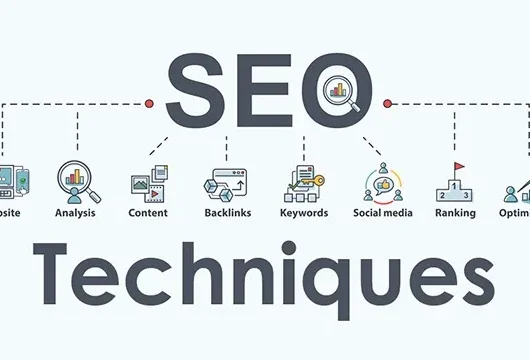
Mobile Search Marketing Trends: What’s Shaping 2024? are transforming how businesses reach consumers on smartphones and tablets. With mobile searches growing rapidly, companies must optimize for voice search, mobile-first indexing, local SEO, and AI-driven strategies to capture attention, boost engagement, and drive conversions.
With more people searching for products, services, and information on smartphones than ever before, optimizing for mobile search is no longer optional—it is essential. In 2024, new technologies, changing consumer behavior, and evolving SEO practices will shape mobile search marketing.
Let’s explore the top mobile search marketing trends transforming the digital landscape this year.
1. Voice Search Optimization
Voice search is rapidly changing how consumers find information online. For example, voice assistants like Siri, Google Assistant, and Alexa are driving this shift.
In 2024, voice search will account for a significant portion of mobile queries. Therefore, optimizing for long-tail keywords, natural language, and question-based content is critical. Additionally, local SEO matters since many voice queries are location-specific, such as “best pizza near me.”
2. Mobile-First Indexing
Google now prioritizes the mobile version of websites for ranking and indexing. As a result, businesses must ensure their websites are mobile-friendly with fast loading times and seamless navigation.
In 2024, responsive design and mobile usability will continue to determine search rankings. Websites with slow or non-responsive pages will struggle to perform in mobile search results.
3. AI-Driven Search Algorithms
Artificial intelligence (AI) increasingly shapes mobile search marketing. For instance, Google’s RankBrain and BERT algorithms focus on understanding context and user intent.
Consequently, marketers must create content that answers queries with precision. Semantic SEO, focusing on meaning and intent rather than keywords alone, will become more important. Moreover, user-focused content addressing real questions will drive higher engagement.
4. Location-Based SEO and Geotargeting
Mobile search often includes location-based intent. Therefore, optimizing for local SEO remains a top strategy in 2024.
Businesses should maintain accurate Google My Business listings, optimize local keywords, and consider geofencing. As a result, they can reach users nearby, driving foot traffic and local conversions.
5. Mobile Search Ads and Automation
Mobile search ads are becoming more automated. In addition, AI and machine learning optimize targeting, bidding, and ad creatives.
Google’s responsive search ads adjust dynamically to match user intent. Consequently, campaigns can run smarter and deliver the right message at the right time.
6. Zero-Click Searches
Zero-click searches are growing, where users get answers without clicking through to a website. For example, featured snippets, knowledge panels, and People Also Ask sections provide quick information.
Therefore, optimizing content for snippets and FAQ-style formats increases visibility and enhances mobile search presence.
7. Mobile Video Search and SEO
Video is increasingly a mobile search medium. Platforms like YouTube and TikTok act as search engines. In 2024, optimizing video titles, descriptions, tags, and load times will be critical.
Additionally, short-form mobile-friendly videos capture attention and cater to users who prefer visual content over text.
8. Visual Search and Image Optimization
Visual search, which allows users to search via images, is gaining traction. Platforms like Google Lens, Pinterest Lens, and Snapchat visual search are driving this trend.
As a result, businesses should optimize images with descriptive alt text, fast loading times, and relevant content. Retail, fashion, and home decor brands will benefit the most.
9. Mobile Shopping and E-Commerce SEO
Mobile commerce continues to grow, making mobile search crucial for e-commerce. Therefore, businesses must optimize product pages for mobile search.
In addition, structured data, rich snippets, and mobile-friendly checkouts reduce friction and increase conversions.
10. Sustainability and Ethical Marketing
Consumers increasingly value sustainability. Consequently, including eco-friendly practices and ethical messaging in mobile search strategies can boost trust and rankings.
For example, content highlighting green initiatives or ethical products resonates with eco-conscious audiences.
FAQ: Mobile Search Marketing Trends 2024
Q1: What is mobile-first indexing, and why does it matter?
A: Mobile-first indexing means Google prioritizes the mobile version of a website for ranking. Fast, responsive mobile sites rank higher in search results.
Q2: How does voice search affect mobile SEO?
A: Voice search uses natural, conversational queries. Optimizing for long-tail keywords and local intent improves visibility in voice results.
Q3: What are zero-click searches?
A: Zero-click searches provide answers directly in search results via featured snippets, knowledge panels, or FAQs, so users don’t need to click through.
Q4: How can businesses optimize for mobile video search?
A: By creating short-form, mobile-friendly videos with SEO-optimized titles, descriptions, and tags on platforms like YouTube and TikTok.
Q5: Why is location-based SEO important?
A: Geotargeting helps businesses reach nearby mobile users, driving foot traffic and increasing conversions for local searches.
Conclusion
Mobile search marketing is evolving rapidly in 2024. Therefore, businesses must embrace trends like voice search, AI-driven algorithms, zero-click searches, and visual search.
Moreover, focusing on mobile-first indexing, local SEO, video optimization, and personalized ads will help brands capture traffic, boost engagement, and drive conversions in a mobile-first world.