In today’s competitive marketplace, employing effective lead generation techniques is essential. Therefore, understanding and implementing these strategies can significantly impact your business growth.
This article explores various strategies that can help you generate high-quality leads and grow your business. Moreover, these approaches can create a sustainable pipeline of potential customers.
1. Content Marketing
First, focus on creating high-quality content. Publish informative blog posts, articles, and whitepapers that address your target audience’s pain points and questions. As a result, valuable content positions your brand as an authority and attracts potential leads.
Additionally, offer lead magnets such as eBooks, checklists, or exclusive webinars that provide extra value in exchange for contact information. This way, you not only build your email list but also establish trust.
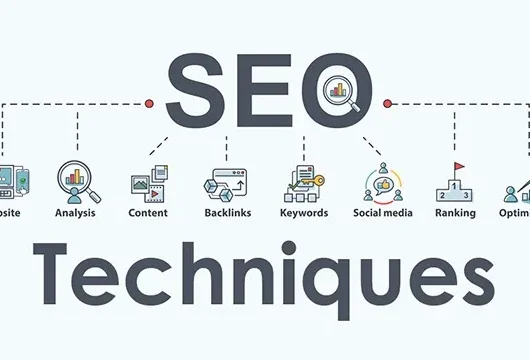
2. Search Engine Optimization (SEO)
Next, optimize your website for search engines. Ensure your website is optimized for relevant keywords that your target audience is searching for. Consequently, this increases visibility on search engines and attracts organic traffic.
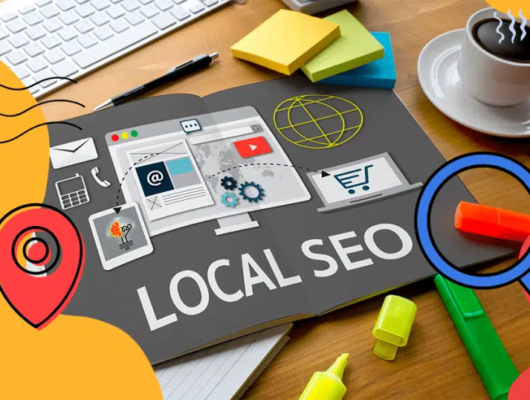
Furthermore, for businesses targeting local customers, local SEO can significantly increase foot traffic and inquiries.
3. Social Media Marketing
Similarly, engage with your audience on platforms like Facebook, LinkedIn, Instagram, and Twitter. Share valuable content, participate in discussions, and respond to comments. This approach helps build a community around your brand.
In addition, consider social media advertising. Target specific demographics and interests to reach potential customers effectively.
4. Email Marketing
Moreover, building an email list is crucial. Use sign-up forms on your website to collect email addresses from interested visitors. Then, segment your list based on user behavior and preferences for targeted campaigns.
Afterward, nurture leads by sending personalized, relevant content through automated email sequences. As a result, you can maintain engagement and encourage conversions.
5. Webinars and Online Events
Another effective strategy is hosting educational webinars. Organize webinars on industry-relevant topics. In doing so, you showcase expertise and collect attendee information for follow-up.
Additionally, interactive Q&A sessions create a direct line of communication and foster relationships with potential leads.
6. Networking and Partnerships
Furthermore, attend industry events such as conferences, trade shows, and networking sessions. By doing this, you can meet potential leads and build relationships that may lead to referrals and new opportunities.
Also, collaborating with complementary businesses allows you to cross-promote services. Consequently, joint ventures can expand your reach and attract new leads.
7. Paid Advertising
Similarly, pay-per-click (PPC) campaigns on platforms like Google Ads allow you to target specific keywords. Thus, you can drive immediate traffic to your website and capture leads.
Additionally, implement retargeting ads to reach visitors who previously interacted with your site. This strategy keeps your brand top-of-mind and encourages return visits.
8. Utilize Lead Generation Tools
Finally, leverage lead generation tools for efficiency. Implement CRM software to manage leads effectively. As a result, CRMs help track interactions, segment leads, and analyze performance.
Moreover, explore tools like LinkedIn Sales Navigator, HubSpot, or OptinMonster to streamline your lead generation efforts and gain valuable insights.
Frequently Asked Questions (FAQ)
Q1: What is digital lead generation?
A: Digital lead generation is the process of attracting potential customers online and converting them into leads using strategies like content marketing, social media, SEO, and email campaigns. In essence, it helps businesses grow their customer base efficiently.
Q2: Why is lead generation important for businesses?
A: Lead generation is the lifeblood of any business. Without it, companies struggle to attract new clients, increase revenue, and maintain sustainable growth. Effective lead generation ensures a consistent pipeline of prospects.
Q3: Which lead generation techniques are most effective?
A: Techniques vary depending on your audience, but the most effective include:
-
Content marketing with lead magnets
-
Search engine optimization (SEO)
-
Social media engagement and advertising
-
Email marketing campaigns
-
Webinars and online events
-
Networking and partnerships
-
Paid advertising and retargeting
Q4: How can I measure the success of my lead generation efforts?
A: Success can be measured using metrics such as:
-
Number of new leads generated
-
Conversion rates from lead to customer
-
Website traffic and engagement
-
ROI on paid campaigns
Additionally, using CRM tools helps track and analyze performance.
Q5: Can small businesses benefit from lead generation tools?
A: Absolutely. CRM software and lead generation platforms like HubSpot or LinkedIn Sales Navigator can help businesses of all sizes organize, track, and nurture leads effectively, saving time and improving results.
Q6: How long does it take to see results from lead generation strategies?
A: Results can vary. Organic methods like SEO and content marketing may take a few months to show significant impact, whereas paid campaigns can generate leads almost immediately. Combining strategies often yields the best results.
Conclusion
In conclusion, implementing a diverse range of lead generation techniques is crucial for any business looking to grow its customer base.
By leveraging content marketing, social media, email marketing, and more, you can attract and convert high-quality leads.
Ultimately, monitor your efforts, analyze results, and continually refine your strategies to achieve lasting success.