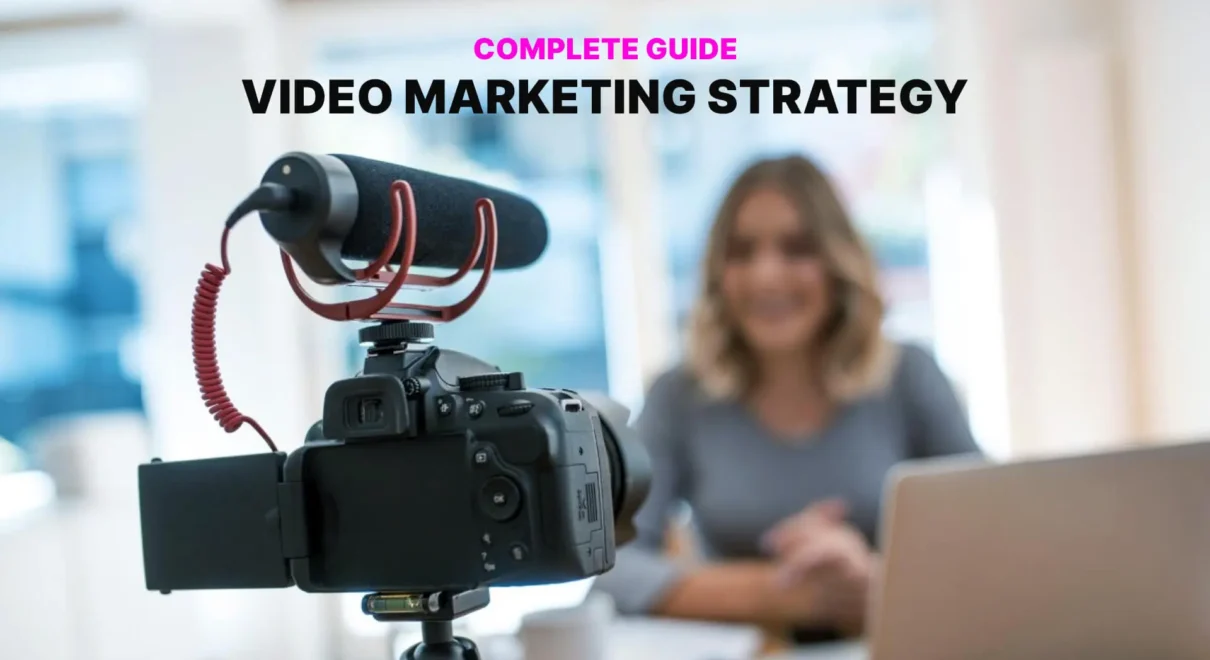
Video Marketing Strategies for Beginners are essential for anyone looking to grow their brand, reach new audiences, and increase engagement online. Video marketing has quickly become one of the most effective ways to connect with potential customers and build trust. With platforms prioritizing video content more than ever, now is the perfect time to get started.
However, getting started can feel overwhelming, especially if you’re new to video creation.
In this article, we’ll walk through the essential video marketing strategies for beginners. By the end, you’ll understand how to create impactful videos that resonate with your audience and drive real results.
1. Define Your Video Marketing Goals
Before you start filming, it’s crucial to clearly define the goals of your video marketing campaign. Without clear objectives, your content may lack direction. Therefore, having specific goals will guide your content creation process and ensure your videos align with your broader business strategy.
Common Video Marketing Goals:
-
Increase brand awareness: For example, create content that introduces your brand to new audiences.
-
Educate your audience: In other words, produce tutorials or explainer videos that solve problems or answer common questions.
-
Drive traffic to your website: Additionally, use video to encourage viewers to visit your website or landing page.
-
Increase conversions: Finally, create product demos or customer testimonials that highlight the benefits of your product or service.
Tip: Above all, make sure your goals are specific, measurable, achievable, relevant, and time-bound (SMART).
2. Know Your Audience
Once your goals are clear, the next step is understanding your target audience. After all, successful video marketing depends on speaking directly to the right people.
To begin with, ask yourself who you want to reach, what challenges they face, and what type of content they already engage with. Then, tailor your strategy to address their specific needs and interests.
Key Questions to Ask:
-
What are their demographics (age, gender, location, etc.)?
-
What are their main pain points, and how can your product or service help?
-
Which social media platforms do they use most frequently?
-
What kind of videos do they typically watch and engage with?
By answering these questions, you can create content that feels relevant rather than generic.
3. Start with Simple Video Formats
At the beginning, it’s best to keep things simple. While high-end production can be impressive, it’s not necessary when you’re just starting out. Instead, focus on delivering clear and valuable content.
In fact, many successful videos are created using just a smartphone and natural lighting.
Beginner-Friendly Video Formats:
-
Explainer videos: Break down complex topics related to your product or industry.
-
Product demos: Show how your product works and explain its benefits.
-
How-to videos: Provide step-by-step instructions to teach something useful.
-
Behind-the-scenes videos: Offer a glimpse into your operations or company culture.
-
Customer testimonials: Share real stories from satisfied customers.
Tip: To get started, use your smartphone, position yourself near a window for natural light, and record in a quiet space.
4. Create a Strong Script and Plan
Even if your video looks polished, it won’t be effective without a clear message. Therefore, planning and scripting are essential.
First, outline your main points. Next, organize them in a logical order. Finally, make sure your message stays focused throughout the video.
Steps for Creating a Strong Script:
-
Start with a hook: Most importantly, capture attention within the first few seconds.
-
Keep it concise: In general, shorter and clearer messages perform better.
-
Include a call-to-action (CTA): For instance, ask viewers to subscribe, visit your website, or make a purchase.
Tip: Before filming, review your outline to ensure your content flows naturally from beginning to end.
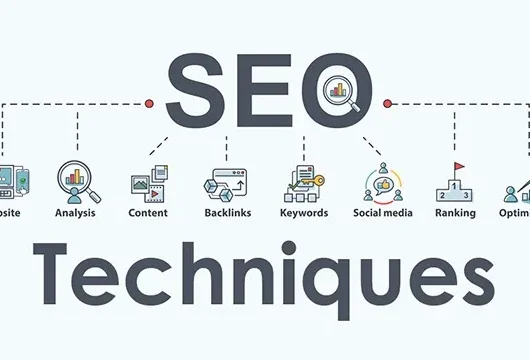
5. Optimize Your Videos for SEO
Creating great content is only part of the process. Equally important is making sure people can actually find your videos Video marketing strategies for beginners.
By optimizing for search engines, you increase your visibility on platforms like YouTube and Google.
Video SEO Best Practices:
-
Use relevant keywords: First, research what your audience is searching for. Then, include those keywords in your title, description, and tags.
-
Write a detailed description: Not only does this help viewers understand your video, but it also improves search rankings.
-
Create an engaging thumbnail: Since thumbnails influence clicks, design one that stands out.
-
Add closed captions or subtitles: In addition to improving accessibility, captions help search engines index your content.
Tip: Tools like Google Keyword Planner or TubeBuddy can help you identify the right keywords.
6. Focus on Quality Over Perfection
As a beginner, you might feel pressure to create flawless videos. Nevertheless, perfection isn’t necessary. Instead, focus on delivering value Video marketing strategies for beginners.
Viewers generally prefer authenticity over overly polished production. As long as your content is helpful and your audio is clear, your audience will respond positively.
Basic Quality Tips:
-
Use natural lighting or a simple lighting kit.
-
Ensure clear audio with an external microphone if possible.
-
Film in a quiet, organized environment.
-
Keep your camera steady using a tripod or stand.
Above all, remember that consistency matters more than perfection.
7. Use Free or Inexpensive Editing Tools
Although video editing may seem intimidating at first, many beginner-friendly tools simplify the process. As a result, you don’t need professional-level software to produce engaging videos.
Popular Editing Tools:
-
iMovie (for Mac users)
-
DaVinci Resolve
-
Adobe Premiere Rush
-
Canva Video Editor
With these tools, you can trim clips, adjust audio, and add text or branding elements.
Tip: Rather than over-editing, aim for clean cuts, smooth pacing, and clear visuals.
8. Leverage Social Media for Distribution
After your video is complete, the next step is distribution. Without proper promotion, even great content can go unnoticed.
Fortunately, social media platforms prioritize video content in their algorithms.
Platforms to Consider:
-
YouTube for long-form and educational content
-
Instagram for short, visually engaging videos
-
Facebook for live videos and community interaction
-
TikTok for creative, short-form content
However, keep in mind that each platform favors different formats. For example, Instagram and TikTok perform better with vertical videos, whereas YouTube typically prefers horizontal formats.
9. Repurpose Video Content
Instead of creating new content from scratch every time, consider repurposing your existing videos. Not only does this save time, but it also maximizes your reach Video marketing strategies for beginners.
Ways to Repurpose:
-
Break long videos into short social clips.
-
Turn key points into a blog post.
-
Create GIFs or short promotional snippets.
-
Use screenshots for email or social media campaigns.
By doing so, you extend the lifespan of your content.
10. Measure Your Results
Finally, tracking your results is essential. Without analytics, you won’t know what’s working Video marketing strategies for beginners.
Most platforms provide insights such as views, watch time, engagement, and click-through rates.
Key Metrics to Monitor:
-
View count: Indicates reach.
-
Engagement rate: Shows audience interaction.
-
Watch time: Reveals how long viewers stay engaged.
-
Click-through rate (CTR): Measures how effective your CTA is.
Based on this data, you can refine your strategy. For instance, if viewers drop off early, improve your opening hook. Conversely, if a format performs well, create similar content.
Frequently Asked Questions (FAQ)
1. How long should a beginner’s marketing video be?
In general, shorter videos perform better—especially on social media. For platforms like Instagram and TikTok, aim for 15–60 seconds. However, for YouTube tutorials or product demos, 5–10 minutes can work well if the content remains engaging and valuable.
2. Do I need expensive equipment to start video marketing?
No, you don’t. In fact, many successful creators start with just a smartphone, natural lighting, and a quiet environment. As your skills and confidence grow, you can gradually invest in better lighting, microphones, or cameras.
3. How often should I post videos?
Consistency matters more than frequency. For example, posting one high-quality video per week is better than posting daily low-quality content. Choose a schedule you can realistically maintain over time.
4. What type of video works best for beginners?
Typically, simple formats like how-to videos, product demos, and explainer videos are ideal for beginners. These formats focus on delivering value rather than requiring complex editing or production.
5. How long does it take to see results from video marketing?
Results vary depending on your industry, platform, and consistency. However, with regular posting and optimization, many businesses start seeing increased engagement within a few weeks to a few months. Therefore, patience and consistency are key.
Conclusion
In conclusion, video marketing is a powerful way to grow your brand and connect with your audience. While it may seem intimidating at first, it becomes manageable when broken into clear steps.
By defining your goals, understanding your audience, creating simple yet valuable content, optimizing for SEO, and consistently measuring results, you can build an effective video marketing strategy—even as a beginner.
So, start small, stay consistent, and focus on delivering value. Over time, your confidence and results will grow.