Effective lead generation strategies to accelerate your business growth are essential for attracting, engaging, and converting high-quality leads. In today’s competitive market, implementing proven tactics can help you build a robust sales pipeline, increase revenue, and establish lasting customer relationships.
Therefore, this article outlines key lead generation strategies that can help you build a robust sales pipeline and increase your revenue.
1. Develop a Strong Value Proposition
First, define your unique selling points (USPs): clearly articulate what makes your product or service unique. Highlighting the benefits that set you apart from competitors helps attract attention and interest.
Next, communicate value effectively: use concise, compelling messaging on your website and marketing materials that resonates with your target audience and addresses their pain points.
2. Leverage Content Marketing
Similarly, create engaging content: publish blog posts, infographics, and videos that provide valuable insights and solutions to your audience’s challenges. As a result, this positions you as an industry authority and drives organic traffic.
In addition, use lead magnets: offer free resources such as eBooks, templates, or exclusive reports in exchange for contact information. This approach not only grows your email list but also nurtures leads through valuable content.
3. Optimize Your Website for Lead Generation
Furthermore, design effective landing pages: create dedicated pages with clear CTAs and relevant content. Be sure to use A/B testing to optimize layouts, headlines, and forms for maximum conversions.
Also, ensure easy navigation: a user-friendly website with intuitive navigation encourages visitors to stay longer and engage more.
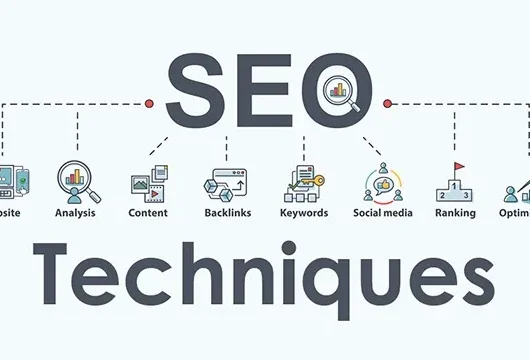
4. Implement Search Engine Optimization (SEO)
Next, perform keyword research: identify and use relevant keywords that your audience is searching for. Consequently, optimized content can rank higher in search engine results and attract organic traffic.
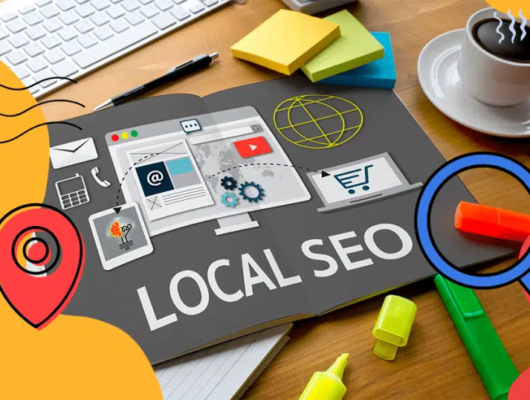
Additionally, implement local SEO strategies if your business serves a local market. Claim your Google My Business listing and encourage customer reviews to improve visibility.
5. Utilize Social Media Marketing
Moreover, engage with your audience: actively participate on relevant social media platforms, respond to comments, and share valuable content. By doing so, you build a community around your brand.
In addition, run targeted ads: platforms like Facebook and LinkedIn allow precise targeting to connect with potential leads effectively.
6. Email Marketing Campaigns
First, segment your audience: organize your email list based on interests and behaviors. This allows for personalized messaging that resonates with different groups.
Next, automate follow-ups: implement automated email sequences to nurture leads over time. As a result, you maintain engagement and increase the chances of conversion.
7. Host Webinars and Workshops
For example, organize educational webinars: demonstrate your expertise on relevant topics. These events allow you to collect attendee information and follow up with leads afterward.
Also, include interactive sessions: offer Q&A segments during webinars to address participant concerns directly, thereby enhancing the value of your offering.
8. Networking and Partnerships
Furthermore, attend industry events and conferences: meet potential leads and establish valuable connections. As a result, these relationships can lead to referrals and partnerships.
In addition, form strategic partnerships: collaborate with complementary businesses to reach a broader audience. Consequently, joint ventures can help acquire new customers.
9. Employ Paid Advertising
Moreover, invest in pay-per-click (PPC) campaigns: drive targeted traffic to your landing pages and monitor performance for optimization.
Additionally, implement retargeting strategies: reach visitors who didn’t convert initially. This ensures your brand remains top-of-mind and encourages return visits.
10. Analyze and Optimize Your Strategies
Finally, utilize analytics tools: track performance using Google Analytics, social media insights, and email metrics. By analyzing this data, you can understand what works and what doesn’t.
Furthermore, commit to continuous improvement: regularly refine strategies based on performance and experiment with new techniques to stay ahead of the competition.
Frequently Asked Questions (FAQ)
Q1: What are the most effective lead generation tips for businesses?
A: Focus on developing a strong value proposition, leveraging content marketing, optimizing your website, engaging on social media, and running email campaigns.
Q2: How long does it take to see results from lead generation strategies?
A: Results vary by industry and approach, but most businesses see measurable improvements in leads and conversions within a few weeks to a few months.
Q3: Can social media help with lead generation?
A: Yes. Platforms like LinkedIn, Facebook, and Instagram are effective for engaging your audience, sharing valuable content, and running targeted ads.
Q4: Should I use paid advertising for lead generation?
A: Absolutely. PPC and retargeting campaigns can drive targeted traffic and complement organic strategies, increasing your chances of converting leads.
Q5: How do I measure the success of lead generation efforts?
A: Track metrics like website traffic, conversion rates, email engagement, and lead quality. Regularly analyze this data to refine and improve your strategies.
Conclusion
In summary, implementing a variety of lead generation strategies is essential for attracting and converting potential customers.
By developing a strong value proposition, leveraging content marketing, optimizing your website, and utilizing social media, you can build a steady stream of high-quality leads.
Ultimately, monitor your efforts, analyze results, and continuously optimize your strategies for long-term success.