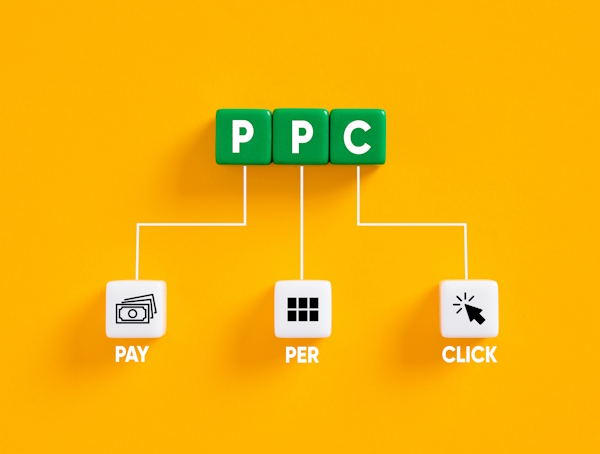
In today’s digital landscape, social media platforms are not just for social interaction; rather, they have evolved into powerful marketing tools. In fact, pay-per-click (PPC) advertising on social media offers businesses a unique opportunity to reach highly targeted audiences and drive meaningful engagement.
With billions of active users across platforms such as Facebook, Instagram, LinkedIn, and Twitter, social media PPC advertising can significantly boost brand visibility, generate leads, and increase sales. Therefore, understanding how to use these platforms effectively is essential. This article explores the ins and outs of social media PPC advertising and, more importantly, provides strategies for creating successful campaigns.
1. Understanding Social Media PPC Advertising
a. What is Social Media PPC?
Social media PPC advertising refers to paid campaigns on social platforms where businesses pay each time a user clicks on their ad. In other words, you only pay for actual engagement.
Unlike traditional advertising, social media PPC allows businesses to target specific demographics, interests, and behaviors. As a result, it becomes a highly efficient and measurable marketing strategy.
b. The Importance of Social Media PPC
Social media PPC is essential for several reasons. First and foremost, it offers highly targeted reach. Ads can be tailored to specific demographics, interests, and behaviors, ensuring they reach the right audience.
Additionally, social media platforms encourage engagement. Businesses can use interactive content formats to connect directly with potential customers.
Moreover, social media PPC can be cost-effective. Campaigns can be adjusted to fit various budgets, allowing small businesses to compete with larger companies. Consequently, even brands with limited resources can achieve strong results.
2. Choosing the Right Social Media Platforms
Different platforms cater to different audiences and industries. Therefore, selecting the right one is crucial for campaign success. Below is an overview of popular platforms for PPC advertising:
a. Facebook
With billions of monthly active users, Facebook is ideal for businesses targeting a broad audience. Furthermore, it offers diverse ad formats, including image, video, carousel, and slideshow ads. As a result, advertisers have flexibility in presenting their message.
b. Instagram
As a visually driven platform, Instagram is perfect for brands in fashion, beauty, food, and lifestyle sectors. In addition, ads integrate seamlessly into users’ feeds and Stories, making them feel less intrusive and more engaging.
c. LinkedIn
LinkedIn is widely recognized as the go-to platform for B2B marketing. Specifically, it enables businesses to target professionals, decision-makers, and industry leaders. Sponsored content, InMail ads, and text ads make it especially effective for lead generation.
d. Twitter
Twitter’s fast-paced environment is well suited for real-time engagement and promotions. For example, businesses can use promoted tweets, trends, and accounts to increase visibility. Consequently, brands can participate in trending conversations and boost interaction.
3. Setting Clear Objectives
Before launching your campaign, it is essential to establish clear objectives. Without defined goals, measuring success becomes difficult.
Common goals include increasing website traffic, generating leads, boosting sales, and enhancing brand awareness.
-
For instance, if your goal is traffic, you may optimize for link clicks.
-
On the other hand, if your objective is conversions, you might focus on CPA bidding.
Ultimately, clear objectives guide your campaign strategy and performance measurement.
4. Crafting Compelling Ad Copy and Visuals
a. Writing Engaging Ad Copy
Your ad copy plays a critical role in capturing attention. Therefore, it must be concise and persuasive.
-
First, communicate your message clearly within character limits.
-
Next, highlight your unique selling points (USPs).
-
Finally, include strong calls-to-action (CTAs), such as “Shop Now” or “Sign Up Today.”
By doing so, you increase both click-through rates and conversions.
b. Designing Eye-Catching Visuals
Equally important are visuals. In fact, social media is largely driven by visual content. Use high-quality images or videos that resonate with your target audience.
Additionally, incorporate brand colors and logos to enhance recognition. As a result, your ads become more memorable and consistent with your overall branding.
5. Targeting Your Audience Effectively
a. Demographic Targeting
Social media platforms provide robust demographic targeting options. For example, you can filter audiences by age, gender, location, and education level. Thus, you can reach users who closely match your ideal customer profile.
b. Interest and Behavior Targeting
Beyond demographics, interest- and behavior-based targeting allows you to reach users based on hobbies and online activities. Consequently, you can connect with individuals who are more likely to engage with your brand.
c. Custom Audiences
Custom audience features enable you to retarget users who have previously interacted with your business. For instance, you can target website visitors or email subscribers. In many cases, this strategy is more cost-effective than acquiring entirely new customers.
6. Budgeting and Bidding Strategies
a. Setting a PPC Budget
Determine a budget aligned with your goals and financial capacity. Initially, start with a manageable amount to test performance. Then, scale your budget based on results and insights.
b. Bidding Options
Choose a bidding strategy that matches your objectives:
-
Cost-Per-Click (CPC): Pay for each click.
-
Cost-Per-Impression (CPM): Pay per 1,000 impressions.
-
Cost-Per-Action (CPA): Pay only when a specific action is completed.
Therefore, selecting the right bidding model directly impacts campaign profitability.
7. Tracking and Analyzing Performance
a. Setting Up Conversion Tracking
Tracking performance is essential. To do this, implement conversion tracking tools such as Facebook Pixel or LinkedIn Insight Tag. These tools help monitor key performance indicators (KPIs), including CTR, conversion rate, and ROAS.
By measuring these metrics, you gain valuable insight into campaign effectiveness.
b. Analyzing Data for Optimization
However, tracking alone is not enough. You must also analyze and optimize. Regularly review high-performing ads and audience segments. Then, allocate more budget to what works best.
Additionally, conduct A/B testing to compare different visuals, headlines, and formats. Over time, these improvements can significantly enhance ROI.
8. Continuous Improvement and Adaptation
Social media PPC is not a one-time effort. Instead, it requires ongoing monitoring and refinement.
Stay updated on platform changes and industry trends. Furthermore, adjust your strategy based on performance data. By continuously experimenting and optimizing, you maintain a competitive edge.
Frequently Asked Questions (FAQ)
1. How much does social media PPC advertising cost?
The cost varies depending on the platform, industry, target audience, and competition. Generally, you can set a daily or lifetime budget, which gives you full control over your spending.
2. How quickly can I see results from social media PPC?
In most cases, campaigns can start generating traffic and engagement within a few days. However, optimizing for strong conversions and ROI may take several weeks of testing and adjustments.
3. Which social media platform is best for PPC advertising?
The best platform depends on your target audience and goals. For example, LinkedIn works well for B2B campaigns, whereas Instagram and Facebook are often effective for B2C brands.
4. What is the difference between CPC and CPM bidding?
CPC (Cost-Per-Click) means you pay when someone clicks your ad. In contrast, CPM (Cost-Per-Thousand Impressions) charges you based on how many times your ad is shown.
5. Is social media PPC suitable for small businesses?
Yes. In fact, social media PPC is highly flexible, allowing small businesses to start with modest budgets and scale as they see results.
Conclusion
In conclusion, social media PPC advertising presents an incredible opportunity for businesses to reach targeted audiences and drive engagement.
By selecting the right platforms, setting clear objectives, crafting compelling ads, and continuously optimizing campaigns, you can achieve measurable growth.