Measuring the Return on Investment (ROI) for content marketing is essential for evaluating the success of your marketing efforts. Businesses invest time, money, and resources into producing blog posts, videos, and other digital content. However, without tracking results, it becomes difficult to determine whether these efforts generate real value. Therefore, understanding how to measure content marketing ROI helps companies identify what works and what needs improvement.
In addition, ROI analysis allows marketers to optimize their strategies. As a result, they can focus more on content that drives traffic, leads, and revenue.
What Is ROI in Content Marketing?
Content marketing ROI measures the revenue generated from content activities compared to the cost of creating and distributing that content. In simple terms, it shows whether your content marketing efforts produce more value than they cost.
For example, imagine a blog post costs $500 to create and promote. If that post generates $2,000 in revenue, the return clearly exceeds the investment. Consequently, the business benefits from a positive ROI.
Furthermore, calculating ROI helps businesses decide how to allocate marketing budgets more effectively. In other words, companies can invest more in strategies that deliver the highest returns.
Key Metrics for Measuring Content Marketing ROI
Several important metrics help marketers evaluate the performance of their content marketing strategy.
1. Website Traffic
Metric: Track unique visitors, page views, and session duration.
Why It Matters: Website traffic indicates how many people discover your content. For instance, a sudden increase in traffic may signal that a blog post ranks well in search engines. Additionally, higher traffic creates more opportunities for engagement and conversions.
Tools: Google Analytics, SEMrush
2. Engagement Rates
Metric: Monitor likes, shares, comments, and the amount of time users spend on each page.
Why It Matters: Engagement reflects how well your content resonates with readers. For example, when users share your content on social media, it indicates that they find it valuable. Moreover, longer time spent on a page suggests strong interest.
Tools: Google Analytics, Facebook Insights, LinkedIn Analytics
3. Lead Generation and Conversion Rate
Metric: Track form submissions, newsletter sign-ups, and call-to-action click rates.
Why It Matters: Content marketing should guide visitors toward taking action. Therefore, conversion rates help measure how effectively content moves prospects through the marketing funnel. In addition, higher conversion rates usually indicate stronger audience trust.
Tools: HubSpot, Google Tag Manager
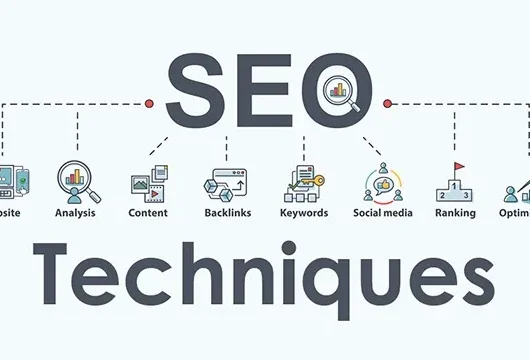
4. SEO Performance
Metric: Monitor keyword rankings, organic traffic growth, and backlinks.
Why It Matters: Strong SEO performance ensures your content reaches users searching for relevant information. As a result, organic traffic becomes a consistent source of visitors and potential customers. Furthermore, higher search rankings improve brand credibility.
Tools: Ahrefs, SEMrush, Moz
5. Revenue Attribution
Metric: Track revenue generated from leads or customers influenced by your content.
Why It Matters: Revenue attribution directly connects marketing efforts to business results. In other words, it shows the financial impact of content marketing activities. Consequently, this metric provides one of the most accurate indicators of ROI.
Tools: Google Analytics, CRM platforms such as Salesforce or HubSpot
Steps to Measure Content Marketing ROI
A structured approach helps businesses calculate ROI more accurately.
Step 1: Define Your Goals and KPIs
First, identify the primary objectives of your content marketing strategy. For example, your goals might include increasing brand awareness, generating leads, or driving sales.
Next, select key performance indicators (KPIs) that align with these goals. For instance, website traffic measures awareness, while conversion rates track lead generation.
Step 2: Track Content Marketing Costs
After defining goals, calculate the total cost of your content marketing activities. These costs may include:
-
Content writing and editing
-
Graphic design or video production
-
Content promotion
-
SEO tools and marketing software
By calculating these expenses, businesses can determine their baseline investment.
Step 3: Use a Simple ROI Formula
Once you know your investment and returns, you can calculate ROI using a simple formula:
ROI = (Return − Investment) / Investment × 100
For example:
-
Revenue from content: $2,000
-
Content creation cost: $500
Calculation:
(($2,000 − $500) / $500) × 100 = 300% ROI
Therefore, the blog post generated three times the original investment.
Step 4: Use Attribution Models
Content often influences customers at multiple stages of the buying journey. Because of this, marketers use attribution models to determine which content interactions lead to conversions.
Common attribution models include:
-
First-touch attribution: credits the first interaction
-
Last-touch attribution: credits the final interaction
-
Multi-touch attribution: distributes credit across several interactions
As a result, marketers gain a clearer understanding of how content contributes to sales.
Step 5: Use Analytics and CRM Tools
Analytics tools play an important role in measuring ROI. For example, Google Analytics tracks user behavior, page performance, and traffic sources.
Meanwhile, CRM platforms connect marketing data with sales outcomes. Together, these tools provide deeper insights into the effectiveness of your content marketing strategy.
Step 6: Optimize Your Content Strategy
Once performance data becomes available, marketers should analyze which content performs best. For instance, some blog topics may attract large audiences, while others generate more conversions.
Based on these insights, businesses can refine their strategies. Consequently, they can focus on high-performing topics and formats.
Challenges in Measuring Content Marketing ROI
Although ROI measurement provides valuable insights, several challenges may arise.
Attribution Complexity
Customers often interact with multiple pieces of content before making a purchase. Therefore, assigning credit to one specific interaction can be difficult.
Long Sales Cycles
In many industries, the buying process takes time. As a result, leads generated today may convert months later.
Brand Awareness Impact
Some content aims to increase brand recognition rather than generate immediate sales. Consequently, marketers must rely on additional metrics such as engagement or brand mentions.
To address these challenges, many businesses use multi-touch attribution models along with qualitative insights.
Content Marketing ROI Example
Consider a company that publishes SEO-optimized blog posts to generate leads.
Goal: Increase conversions through blog content.
Monthly Investment: $1,500 for content creation, SEO, and promotion.
Revenue Generated: $5,000 from leads linked to blog traffic.
ROI Calculation:
(($5,000 − $1,500) / $1,500) × 100 = 233% ROI
This strong ROI indicates successful content performance. Therefore, the company may invest further in similar content strategies.
FAQ – How to Measure Content Marketing ROI
1. What does content marketing ROI mean?
Content marketing ROI refers to the return on investment generated from content marketing activities compared to the cost of creating and promoting that content.
2. Why is it important to measure content marketing ROI?
Measuring ROI helps businesses understand whether their content marketing strategy is generating traffic, leads, and revenue. It also helps marketers improve future campaigns.
3. What is the basic formula for calculating content marketing ROI?
The basic formula is:
ROI = (Return − Investment) / Investment × 100
For example, if content generates $2,000 in revenue and costs $500, the ROI would be 300%.
4. What metrics help measure content marketing ROI?
Important metrics include:
-
Website traffic
-
Engagement rates
-
Lead generation
-
Conversion rates
-
Keyword rankings
-
Revenue attribution
5. Which tools help track content marketing ROI?
Several tools can help track performance, including:
-
Google Analytics
-
SEMrush
-
Ahrefs
-
HubSpot
-
Google Tag Manager
6. How long does it take to see ROI from content marketing?
Content marketing often takes several months to show strong ROI because SEO growth and audience trust build gradually over time.
7. Can small businesses measure content marketing ROI?
Yes. Small businesses can track ROI by monitoring website traffic, conversions, and sales generated from blog content or social media posts.
8. What challenges exist when measuring content marketing ROI?
Some challenges include long sales cycles, complex attribution models, and indirect benefits like brand awareness.
9. How can businesses improve content marketing ROI?
Businesses can improve ROI by:
-
Creating high-quality content
-
Targeting the right keywords
-
Optimizing content for SEO
-
Promoting content across multiple channels
10. Does SEO affect content marketing ROI?
Yes. SEO plays a major role because higher search rankings bring organic traffic, which increases the chances of generating leads and conversions.
Conclusion
Measuring content marketing ROI plays a critical role in understanding marketing effectiveness. By analyzing metrics such as traffic, engagement, conversions, and revenue, businesses can evaluate the real impact of their content.
Although challenges exist, modern analytics tools make ROI tracking more accurate. Furthermore, attribution models help marketers understand the full customer journey.
Ultimately, businesses that consistently measure and optimize their content strategies can turn content marketing into a powerful driver of long-term growth.