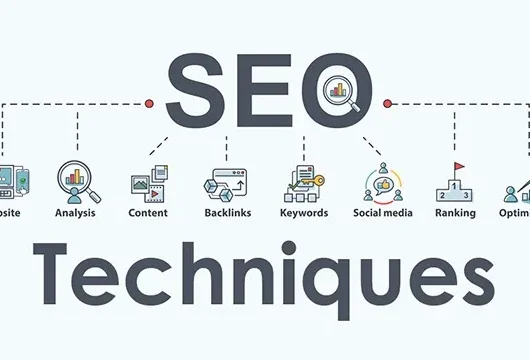
In today’s competitive digital world, businesses must find smarter ways to attract and retain customers. The Top Benefits of Content Marketing make it one of the most powerful strategies for sustainable business growth. Instead of relying solely on traditional advertising, companies now focus on delivering valuable, relevant content that builds trust and long-term relationships. As a result, content marketing has become essential for brands that want to stand out and grow consistently.
This is where content marketing plays a crucial role.
Content marketing is the practice of creating valuable, relevant, and consistent content to attract and engage a defined audience. Rather than interrupting customers, it draws them in naturally.
Below, we explore the key benefits of content marketing and why it remains a powerful long-term strategy.
1. Increases Organic Website Traffic
Why It Matters
One of the main goals of content marketing is to drive organic traffic. When done correctly, SEO-optimized content ranks in search engines. As a result, your website attracts users who are actively searching for solutions.
How It Works
First, strong SEO practices improve visibility. Content that includes targeted keywords, internal links, and optimized meta descriptions ranks higher.
In addition, evergreen content continues to perform over time. For example, how-to guides and educational articles remain relevant for years.
Finally, publishing content regularly signals consistency to search engines. Consequently, this can reduce your reliance on paid advertising.
2. Builds Brand Awareness and Recognition
Why It Matters
In a crowded digital space, visibility is essential. Therefore, consistent content helps your brand stay relevant. Over time, this builds familiarity and trust.
How It Works
To begin with, distributing content across multiple channels increases exposure. This includes social media, email, and third-party platforms.
Moreover, valuable content is often shared. As a result, your reach expands beyond your immediate audience.
Most importantly, regular publishing keeps your brand top-of-mind. When customers need a solution, they are more likely to remember you.
3. Enhances Customer Engagement and Builds Trust
Why It Matters
Unlike traditional ads, content marketing encourages interaction. Instead of one-way promotion, it supports two-way communication. Consequently, customers feel more connected to your brand.
How It Works
For example, blog posts and FAQs answer common questions. This positions your business as helpful and knowledgeable.
In addition, social media posts and comments allow direct interaction. Polls and quizzes further increase engagement.
Furthermore, storytelling humanizes your brand. As a result, customers develop emotional connections.
4. Supports Lead Generation and Conversion
Why It Matters
Content marketing does more than attract visitors. It also guides them through the sales funnel. With the right strategy, content turns readers into leads.
How It Works
First, lead magnets encourage sign-ups. eBooks, webinars, and whitepapers are common examples.
Next, nurturing content builds trust over time. Email newsletters and case studies keep prospects engaged.
Ultimately, informed customers are more confident buyers. Therefore, conversion rates often improve.
5. Increases Customer Retention and Loyalty
Why It Matters
Content marketing is not only for new customers. Equally important, it strengthens relationships with existing ones. Loyal customers are more likely to return and refer others.
How It Works
For instance, product tutorials help customers get more value from their purchase. This increases satisfaction.
Additionally, personalized content makes customers feel understood. As a result, engagement improves.
Finally, regular updates keep communication open. This encourages repeat business over time.
6. Establishes Brand Authority and Thought Leadership
Why It Matters
Today’s consumers prefer brands they trust. Therefore, credibility is essential. High-quality content positions your business as an industry leader.
How It Works
For example, publishing in-depth guides demonstrates expertise. Case studies and research reports further build authority.
Likewise, collaborating with industry experts strengthens your reputation.
In addition, hosting webinars or speaking at events increases visibility. Over time, your brand becomes a trusted voice.
7. Supports Social Media and Digital Marketing Efforts
Why It Matters
Social media thrives on valuable content. Without it, engagement declines. Content marketing fuels your entire digital strategy.
How It Works
First, blog posts provide material for social sharing. This keeps your profiles active.
Moreover, engaging content encourages followers to share. As a result, your reach expands organically.
Finally, social posts drive traffic back to your website. This increases opportunities for conversion.
8. Generates Long-Term, Sustainable Results
Why It Matters
Paid ads deliver short-term visibility. However, results stop when the budget ends. Content marketing works differently.
How It Works
For example, evergreen content continues to rank long after publication.
Furthermore, each new piece of content adds to your library. Over time, results compound.
Consequently, you rely less on paid advertising. This improves long-term ROI.
9. Provides Measurable and Actionable Insights
Why It Matters
One major advantage of content marketing is measurability. Unlike traditional marketing, digital performance can be tracked precisely Benefits of content marketing .
How It Works
First, analytics tools measure KPIs such as traffic, bounce rate, and conversions.
In addition, data reveals audience preferences. You can see which topics perform best.
As a result, you can refine your strategy. This leads to continuous improvement.
Great idea — adding an FAQ section will improve SEO, increase keyword reach, and help capture featured snippets.
Below is a transition-rich, readability-friendly FAQ section you can place directly after your conclusion.
Frequently Asked Questions (FAQs)
1. What is content marketing in simple terms?
Content marketing is a strategy focused on creating and sharing valuable information to attract and engage a target audience. Instead of directly promoting products, it educates or entertains customers. As a result, businesses build trust and long-term relationships.
2. How long does content marketing take to show results?
Content marketing is a long-term strategy. Typically, businesses start seeing improvements in traffic within three to six months. However, stronger SEO results and consistent lead generation may take six to twelve months.
That said, results depend on your industry, competition, and content quality.
3. Is content marketing better than paid advertising?
Content marketing and paid advertising serve different purposes. While paid ads deliver quick visibility, content marketing produces long-term results. In contrast to ads, content continues to generate traffic even after publication.
Ideally, businesses use both strategies together for balanced growth.
4. What types of content work best for marketing?
The most effective content depends on your audience. For example, blog posts improve SEO, while videos increase engagement. Similarly, eBooks and webinars work well for lead generation.
Therefore, a mix of formats usually delivers the best results.
5. Can small businesses benefit from content marketing?
Yes, small businesses can benefit significantly. In fact, content marketing helps smaller brands compete with larger companies. Because it focuses on value rather than budget size, it levels the playing field.
As a result, small businesses can build authority without massive advertising spend.
6. How do you measure content marketing success?
Content marketing performance is measured using analytics tools. Common metrics include website traffic, time on page, bounce rate, and conversion rate.
Additionally, engagement metrics such as shares and comments reveal audience interest. By analyzing this data, businesses can improve future content strategies.
7. Why is consistency important in content marketing?
Consistency builds trust and brand recognition. When businesses publish regularly, audiences know what to expect. Over time, this strengthens loyalty and improves search engine rankings.
Without consistency, even high-quality content may fail to deliver lasting results.
Conclusion
Content marketing offers powerful benefits for businesses of all sizes. It increases organic traffic, builds trust, and strengthens brand loyalty.
Moreover, it delivers sustainable, long-term results. Unlike paid campaigns, its impact grows over time.
With a clear strategy and consistent execution, content marketing helps businesses stand out. Ultimately, by focusing on value, brands build stronger relationships and achieve lasting success.