Content Marketing vs. Traditional Marketing: A Comparative Analysis highlights two fundamentally different approaches businesses use to connect with their audiences in today’s rapidly evolving marketing landscape. As digital channels continue to expand, marketers must understand how content marketing compares to traditional marketing in order to build effective strategies. Therefore, recognizing the strengths, limitations, and practical applications of both methods is essential for reaching consumers and achieving long-term success.
What Is Content Marketing?
Content marketing is a strategic approach that focuses on creating and distributing valuable and relevant content in order to attract and engage a clearly defined audience. At its core, the ultimate goal is to drive profitable customer action. To achieve this, businesses use various forms of content, including blog posts, videos, infographics, podcasts, and social media updates.
Moreover, content marketing emphasizes building long-term relationships with audiences by offering information that educates, entertains, or inspires. Rather than directly promoting products or services, this approach prioritizes meaningful engagement and trust.
Key Characteristics:
-
Value-driven: First and foremost, content marketing prioritizes delivering value through informative and engaging material.
-
Audience-centric: Additionally, it focuses on understanding audience needs, preferences, and pain points.
-
Long-term strategy: Finally, content marketing is a sustained effort aimed at building trust and authority over time.
What Is Traditional Marketing?
In contrast, traditional marketing encompasses conventional promotional methods such as television advertisements, radio spots, print ads, billboards, and direct mail. Typically, this approach relies on interrupting potential customers with direct promotional messages in order to generate immediate awareness and sales.
Key Characteristics:
-
Promotion-focused: Primarily, traditional marketing emphasizes direct product and service promotion.
-
Broad reach: Furthermore, it often targets a large audience without detailed segmentation.
-
Short-term results: As a result, traditional marketing usually aims for quick responses and immediate sales.
Comparison of Content Marketing and Traditional Marketing
| Aspect | Content Marketing | Traditional Marketing |
|---|---|---|
| Approach | Value-driven and relationship-focused | Promotion-focused with immediate sales goals |
| Audience Engagement | Encourages interaction and engagement | Largely passive message consumption |
| Cost | Generally lower due to organic reach | Higher costs for production and placements |
| Measurement | Traffic, engagement, and conversions | Sales, reach, and impressions |
| Longevity | Long-lasting, evergreen content | Short-lived campaigns |
Advantages of Content Marketing
To begin with, content marketing is cost-effective, as producing high-quality content often costs less than purchasing advertising space. In addition, by consistently sharing valuable insights, businesses can establish themselves as industry thought leaders, which helps build trust with their audience.
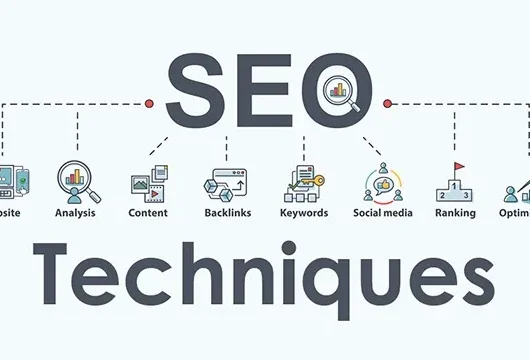
Furthermore, content marketing offers significant SEO benefits. By publishing quality content, businesses can improve search engine rankings and drive organic traffic. Most importantly, evergreen content continues to deliver value long after its initial release.
Challenges of Content Marketing
However, content marketing is not without challenges. For instance, creating high-quality content is time-consuming and requires research and strategic planning. Moreover, success depends heavily on consistency, as audiences expect regular updates Content marketing vs. traditional marketing.
At the same time, measuring effectiveness can be complex. Unlike traditional marketing, content performance relies on multiple metrics beyond immediate sales.
Advantages of Traditional Marketing
On the other hand, traditional marketing can deliver immediate results. Through strong calls to action, businesses can quickly generate awareness and sales. Additionally, traditional advertising offers broad reach, allowing brands to connect with large audiences at once.
Notably, these methods are well-established. As a result, many organizations find them easy to implement due to familiarity and proven frameworks.
Challenges of Traditional Marketing
Despite its benefits, traditional marketing has notable drawbacks. Most significantly, advertising costs can be high, making it less accessible for small businesses. Furthermore, audience engagement is limited, as consumers typically interact passively with advertisements.
Finally, traditional marketing is becoming less effective. With the rise of digital platforms, consumers increasingly ignore conventional ads, leading to lower engagement rates.
Conclusion
In conclusion, both content marketing and traditional marketing offer distinct advantages and challenges. While each approach serves different purposes, many businesses achieve optimal results by integrating both strategies.
By understanding the strengths and limitations of each method, marketers can develop campaigns that resonate with their audiences and support long-term growth. Ultimately, the choice between content marketing and traditional marketing should align with a company’s goals, resources, and audience preferences, ensuring maximum impact and sustained success.