For those new to the world of digital marketing, content marketing can initially seem daunting. With so many formats, platforms, and strategies available, it is easy to feel overwhelmed and unsure of where to begin. Fortunately, content marketing is a skill that can be mastered over time by learning the fundamentals and applying a few proven strategies. In this guide, we will walk through practical content marketing tips for beginners that can help you create, share, and optimize valuable content to attract and retain your target audience.
1. Understand Your Target Audience
Why It’s Important
First and foremost, the success of any content marketing effort begins with understanding your audience. When you know who they are, what they care about, and where they spend time online, you can create content that truly resonates. As a result, your messaging becomes more relevant and impactful.
How to Do It
-
Define Buyer Personas: To start, outline your ideal customers’ demographics, interests, and pain points.
-
Conduct Surveys or Interviews: Additionally, ask current or potential customers about their needs and preferences.
-
Analyze Competitors’ Content: Finally, review what your competitors are producing and identify which content performs best. Tools such as BuzzSumo or Ahrefs can be especially helpful.
2. Start with a Content Marketing Strategy
Why It’s Important
Without a strategy, content creation can quickly become inconsistent. Therefore, a well-defined content marketing strategy acts as a roadmap that guides every decision. More importantly, it ensures your content aligns with your overall business goals.
How to Do It
-
Set Clear Goals: First, decide whether your goal is brand awareness, lead generation, or engagement.
-
Identify Key Topics: Next, select topics based on your audience’s interests and challenges.
-
Choose Content Types and Platforms: Finally, determine which formats and platforms best support your objectives.
3. Focus on Creating High-Quality Content
Why It’s Important
Given the volume of content published daily, quality is what sets you apart. High-quality content not only informs but also engages and builds trust. Consequently, audiences are more likely to share and return for more.
How to Do It
-
Conduct In-Depth Research: To begin with, use accurate and data-driven sources to build credibility.
-
Use Clear and Concise Language: Moreover, keep your writing simple and easy to understand.
-
Add Visual Elements: Finally, incorporate images, videos, or infographics to enhance engagement and comprehension.
4. Optimize for SEO
Why It’s Important
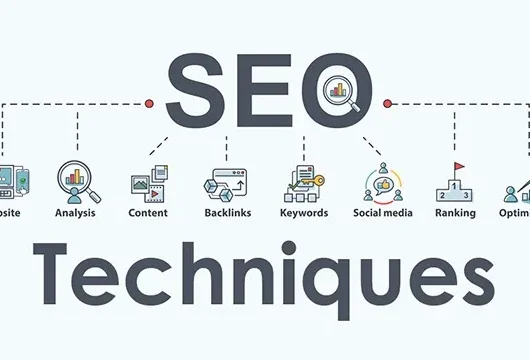
Even the best content needs visibility. For this reason, search engine optimization (SEO) plays a crucial role in driving organic traffic and improving discoverability.
How to Do It
-
Keyword Research: First, identify keywords your audience is actively searching for.
-
On-Page SEO: Next, integrate keywords naturally into titles, headings, and meta descriptions.
-
Internal and External Links: Additionally, link to relevant internal pages and credible external sources.
-
Optimize for Readability: Finally, use short paragraphs, bullet points, and subheadings to keep readers engaged.
5. Use Social Media to Promote Your Content
Why It’s Important
Once your content is published, promotion becomes essential. Social media platforms, in particular, allow you to reach wider audiences and drive traffic efficiently.
How to Do It
-
Choose the Right Platforms: To begin with, focus on platforms where your audience is most active.
-
Share Consistently: Moreover, maintain a regular posting schedule.
-
Use Hashtags and Keywords: Additionally, improve discoverability by using relevant hashtags.
-
Engage with Followers: Finally, respond to comments and messages to foster community.
6. Repurpose Content Across Channels
Why It’s Important
Rather than constantly creating new content, repurposing allows you to maximize existing material. As a result, you save time while reaching new audiences.
How to Do It
-
Turn Blog Posts into Social Media Content: For example, share key insights or quotes.
-
Create Infographics or Slideshows: Similarly, summarize posts visually for platforms like Pinterest or LinkedIn.
-
Record Videos or Podcasts: Additionally, transform popular articles into audio or video formats Content marketing tips for beginners.
7. Track Performance and Adjust Your Strategy
Why It’s Important
To improve results, you must understand what works. Therefore, regularly analyzing performance is essential for growth and optimization.
How to Do It
-
Monitor Key Metrics: First, track page views, engagement, bounce rates, and conversions.
-
Use Analytics Tools: Next, rely on tools such as Google Analytics or social media insights.
-
A/B Testing: Finally, test different headlines or formats to refine your approach.
8. Be Patient and Stay Consistent
Why It’s Important
Content marketing tips for beginners emphasize patience for a reason. Since content marketing is a long-term strategy, results take time. Nevertheless, consistency is what ultimately drives success.
How to Do It
-
Create a Content Calendar: To stay organized, plan content in advance.
-
Focus on Quality Over Quantity: Moreover, prioritize value over volume.
-
Stay Updated on Trends: Finally, keep learning, as content marketing continues to evolve.
Conclusion
In conclusion, content marketing can be highly rewarding when approached strategically. By understanding your audience, producing high-quality content, optimizing for SEO, and promoting through social media, beginners can build a strong foundation.
Although results may not appear immediately, content marketing is a marathon rather than a sprint. With patience, consistency, and ongoing learning, your efforts will pay off as you attract and retain a loyal audience that truly values your content.
Related Post