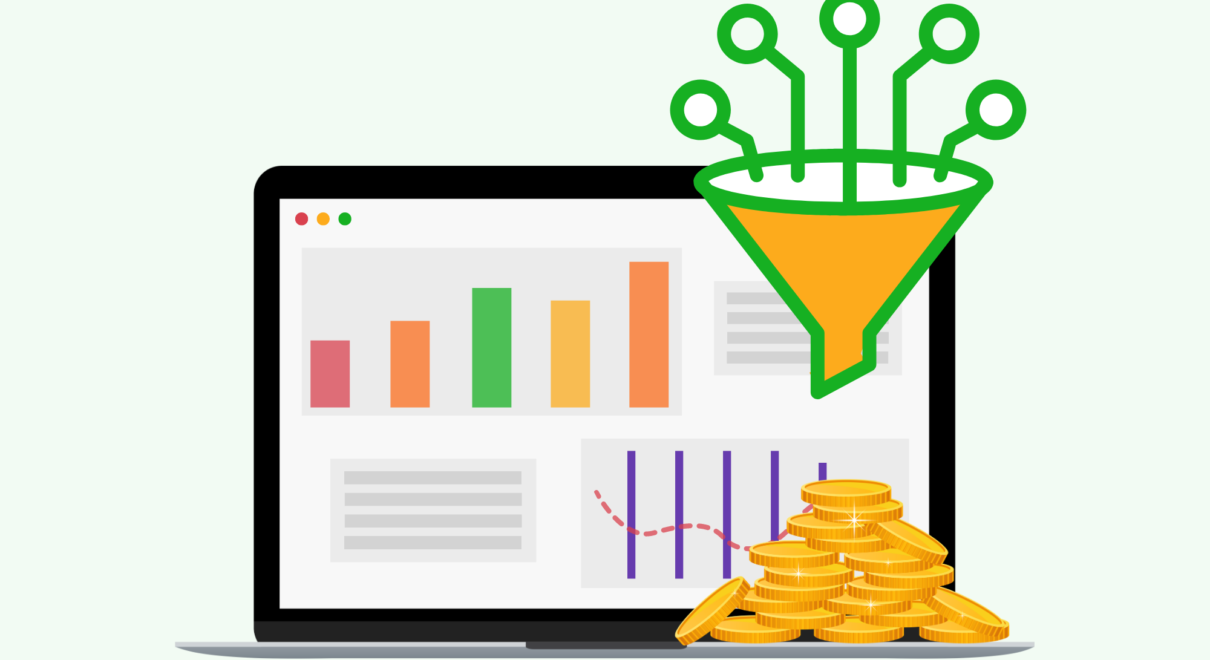
CRO tools for e-commerce websites are essential for turning visitors into paying customers. In fact, by using the right tools, you can analyze user behavior, identify pain points, test changes, and improve your website’s performance. Moreover, these tools help you make data-driven decisions that reduce friction and boost conversions. In this article, we’ll cover the top 10 CRO tools for e-commerce websites that can enhance user experience and increase your sales.
1. Google Analytics – Comprehensive Web Analytics
Google Analytics is one of the most widely used tools for understanding visitor behavior. For example, it provides insights into traffic sources, user journeys, and conversion rates. As a result, you can identify critical areas for improvement. Furthermore, it allows you to set measurable goals, such as newsletter sign-ups or completed purchases. In addition, Google Analytics integrates with most e-commerce platforms, which simplifies tracking across your website.
Key Features:
-
Behavior Flow: Visualize user paths and drop-off points
-
Goal Tracking: Measure specific conversions like purchases or form submissions
-
Traffic Analysis: Identify sources such as organic search, paid ads, and social media
Why Use It: Google Analytics offers essential insights for data-driven decisions. Therefore, it is a must-have tool for any e-commerce business.
2. Hotjar – Heatmaps and User Behavior Analytics
Hotjar allows you to see exactly how users interact with your website. For instance, you can track clicks, scroll depth, and mouse movements. Consequently, you gain actionable insights to optimize page layouts and content placement. Moreover, Hotjar provides on-site feedback through polls and surveys, which allows you to understand visitor pain points directly. In addition, it complements Google Analytics by showing not just numbers but actual user behavior.
Key Features:
-
Heatmaps: Identify the most attention-grabbing elements
-
Session Recordings: Watch real user interactions
-
On-Site Feedback: Collect visitor insights via surveys and polls
Why Use It: Hotjar provides a visual understanding of user behavior, so you can reduce friction and improve conversions effectively.
3. Optimizely – A/B Testing and Experimentation
Optimizely is a robust platform for A/B and multivariate testing. By testing different page versions, you can determine which headlines, CTAs, or layouts perform best. As a result, you make data-backed decisions rather than relying on assumptions. In addition, Optimizely allows for audience segmentation and personalization, which ensures that different user groups see the most relevant content. Moreover, using this tool helps identify high-impact changes quickly, saving time and resources.
Key Features:
-
A/B Testing: Compare multiple webpage versions
-
Multivariate Testing: Test combinations of page elements simultaneously
-
Personalization: Deliver tailored experiences for specific audience segments
Why Use It: Optimizely is ideal for businesses seeking systematic improvements in conversion rates. Therefore, it’s perfect for e-commerce stores aiming for growth.
4. Crazy Egg – Visual Website Optimization
Crazy Egg combines heatmaps, scroll maps, and A/B testing to show how visitors interact with your site. For example, it reveals which elements attract clicks and which areas are ignored. This way, you can adjust your design to improve engagement. In addition, Crazy Egg offers confetti reports, which show referral sources driving clicks. Consequently, you can make informed marketing decisions based on user behavior.
Key Features:
-
Heatmaps & Scroll Maps: Visualize activity
-
A/B Testing: Compare page elements
-
Confetti Reports: Track referral sources driving clicks
Why Use It: Crazy Egg is easy to use and provides actionable insights, so optimizing page layout becomes straightforward.
5. VWO (Visual Website Optimizer) – Complete CRO Platform
VWO is an all-in-one CRO solution for testing, analytics, and personalization. In addition, it allows segmentation and targeted content delivery. As a result, you can improve conversions throughout the customer journey. Moreover, VWO includes heatmaps and click maps, which provide a clear visual representation of user behavior. Therefore, it is ideal for businesses seeking a comprehensive CRO solution CRO tools for e-commerce websites.
Key Features:
-
A/B & Split Testing: Optimize pages for better performance
-
Heatmaps & Click Maps: Analyze user behavior
-
Behavioral Targeting: Deliver content based on visitor actions
Why Use It: VWO combines testing, analytics, and personalization in one platform, so it’s perfect for businesses aiming for growth.
6. Unbounce – Landing Page Builder
Unbounce allows you to create high-converting landing pages without coding. Moreover, it integrates with multiple marketing tools and supports A/B testing directly on landing pages. For instance, you can test headlines, images, and CTAs to determine what works best. As a result, marketers can maximize conversions for campaigns efficiently.
Key Features:
-
Drag-and-Drop Builder: Quickly design pages
-
A/B Testing: Test page elements
-
Conversion-Focused Templates: Pre-optimized layouts
Why Use It: Unbounce is ideal for businesses running marketing campaigns that need flexible, high-performing landing pages. Therefore, it saves time while improving results.
Frequently Asked Questions (FAQ)
Q1: What is CRO for e-commerce websites?
A: Conversion Rate Optimization (CRO) for e-commerce websites is the process of improving your online store to turn more visitors into paying customers. In fact, it involves analyzing user behavior, testing website elements, and making data-driven improvements.
Q2: Why should I use CRO tools for my online store?
A: CRO tools help you identify pain points, optimize layouts, and test changes effectively. As a result, they can increase conversions, reduce cart abandonment, and boost revenue.
Q3: Which CRO tool is best for A/B testing?
A: Tools like Optimizely and VWO are ideal for A/B and multivariate testing. Moreover, they allow personalization, so different user segments see the most relevant content.
Q4: Can CRO tools improve user experience?
A: Yes, CRO tools like Hotjar and Crazy Egg provide insights into visitor behavior. Consequently, you can optimize page design, navigation, and content to enhance the shopping experience.
Q5: How do I start using CRO tools for my store?
A: Start by identifying pages with low conversion rates, select tools that fit your goals, and run small tests first. Then, analyze results and continuously optimize for better performance.
Conclusion
Choosing the right CRO tools can transform your e-commerce store. By combining analytics, testing, and personalization, you can reduce friction, enhance user experience, and boost conversions. Ultimately, the key is to experiment, measure results, and continuously refine your approach. Therefore, start implementing these tools today and watch your conversion rates grow.