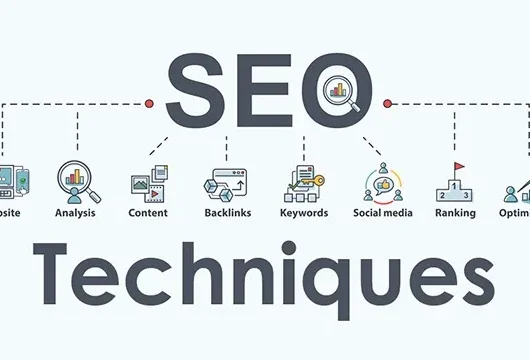
If you want your website to rank higher and attract more visitors, mastering the top SEO techniques to drive organic traffic is essential. In this comprehensive guide, we’ll explore actionable strategies—from keyword research and on-page optimization to link building—that can help your site grow sustainably and reach the right audience.
Section 1: Optimize Your Content for Target Keywords
Conduct Thorough Keyword Research
To begin with, keyword research lays the foundation for successful SEO. Tools such as SEMrush, Ahrefs, and Google Keyword Planner help identify relevant keywords with strong search volume and manageable competition. In addition to short-tail keywords, focusing on long-tail variations allows you to better match user intent and capture more qualified traffic.
Keyword Placement and Density
Once keywords are selected, strategic placement becomes critical. For example, keywords should appear naturally in title tags, meta descriptions, headers (H1, H2), and within the first 100 words of the content. At the same time, maintaining a natural keyword density is essential, as keyword stuffing can negatively impact rankings and user experience.
User Intent Optimization
Beyond keywords, understanding user intent is equally important. Content should directly address the questions or problems users are trying to solve, whether the intent is informational, navigational, transactional, or commercial. Additionally, incorporating LSI (Latent Semantic Indexing) keywords enriches the content with related terms and subtopics, helping search engines better understand relevance.
Section 2: Enhance On-Page SEO
Optimize Meta Tags
On-page optimization starts with well-crafted meta tags. Writing compelling, keyword-rich title tags and meta descriptions improves click-through rates by clearly communicating value. Therefore, keeping them concise, informative, and engaging is key.
Utilize Header Tags Effectively
Equally important, header tags improve both readability and SEO. By structuring content with H1, H2, and H3 tags, pages become easier to scan for users and easier to index for search engines. As a result, content hierarchy becomes clearer and more effective.
Image Optimization
Images also play a vital role in on-page SEO. Using descriptive alt tags helps search engines understand visual content, while image compression improves page load speed. Consequently, optimized images contribute to better accessibility and performance.
Internal Linking
Finally, internal linking strengthens site structure. By linking related pages and articles, you distribute page authority more effectively while guiding users to relevant content. This approach enhances both crawlability and user engagement.
Section 3: Improve Technical SEO
Boost Site Speed
Technical performance directly affects rankings and user satisfaction. Tools like Google PageSpeed Insights can identify speed issues, such as large images, unoptimized code, or excessive plugins. Addressing these elements leads to faster load times and improved retention.
Mobile-Friendly Design
As mobile traffic continues to dominate, responsive design is no longer optional. Ensuring your site functions well across all devices improves usability and aligns with Google’s mobile-first indexing. To verify performance, Google’s Mobile-Friendly Test provides valuable insights.
Fix Broken Links
Broken links can harm both user experience and SEO performance. Therefore, using tools like Screaming Frog SEO Spider or Ahrefs to identify and fix 404 errors is an essential maintenance task.
XML Sitemap and Robots.txt
In addition, submitting an XML sitemap through Google Search Console helps search engines discover your content more efficiently. Meanwhile, a properly configured robots.txt file ensures crawlers focus on the pages that matter most.
Section 4: Develop Quality Backlinks
Guest Blogging and Outreach
Backlinks remain one of the strongest ranking factors. One effective method involves contributing guest posts to reputable industry websites, which helps build authority while earning valuable referral traffic.
Resource Link Building
Alternatively, creating high-quality resources—such as guides, infographics, or original research—encourages other sites to link to your content naturally. Over time, these assets become powerful link magnets.
Engage in Community and Social Sharing
Beyond traditional link building, active participation in online communities can generate visibility and trust. Answering questions on platforms like Quora or Reddit, while sharing valuable insights, helps attract organic backlinks and engaged users SEO techniques to drive organic traffic.
Section 5: Content Quality and User Experience
Create Valuable, Original Content
At the core of SEO success lies content quality. Google prioritizes original, informative, and engaging content that offers genuine value. Therefore, avoiding plagiarism and adding unique insights is essential.
Keep Content Up-to-Date
Additionally, regularly updating content ensures continued relevance. Refreshing statistics, adding new examples, or updating visuals signals freshness to both users and search engines SEO techniques to drive organic traffic.
Enhance Readability and Structure
Finally, strong user experience improves performance across the board. Short paragraphs, bullet points, and visual elements make content easier to consume. At the same time, minimizing intrusive ads and improving navigation keeps users engaged longer.
Frequently Asked Questions (FAQ)
What is organic traffic and why is it important?
Organic traffic refers to visitors who arrive at your website through unpaid search results. It is important because it brings high-intent users, builds long-term visibility, and reduces reliance on paid advertising.
How do I choose the right keywords for my content?
Use tools like SEMrush, Ahrefs, or Google Keyword Planner to find relevant keywords. Focus on a mix of short-tail and long-tail keywords that match user intent, whether informational, transactional, or navigational.
What is on-page SEO and how can I optimize it?
On-page SEO includes optimizing meta tags, header structure, images, and internal links. Properly implemented, it improves readability, user experience, and search engine indexing.
How can I improve my website’s technical SEO?
Focus on site speed, mobile responsiveness, fixing broken links, and submitting XML sitemaps. Tools like Google PageSpeed Insights and Screaming Frog SEO Spider help identify technical issues.
Why are backlinks important for SEO?
Backlinks signal authority and trustworthiness to search engines. High-quality links from reputable websites improve rankings and referral traffic, while low-quality links can harm SEO.
How often should I update my content?
Content should be updated regularly to remain relevant. Refresh statistics, add new examples, and ensure visuals and links are current. Updated content improves rankings and user engagement.
What role does user experience play in SEO?
Good user experience (UX) keeps visitors engaged, reduces bounce rates, and improves conversions. Readable content, fast load times, easy navigation, and minimal intrusive ads all enhance UX and SEO performance.
Can beginners implement these SEO techniques?
Yes. Beginners should start with basic keyword research, content optimization, and on-page SEO. As they gain experience, technical SEO, link building, and advanced strategies can be gradually integrated.
Conclusion
In summary, increasing organic traffic requires a balanced approach that combines content optimization, technical performance, and consistent link building. While results may not appear overnight, steady effort leads to sustainable growth. As Google’s algorithms continue to evolve, patience and adaptability remain crucial. For beginners, starting with the basics is key, and over time, integrating more advanced techniques will lead to long-term SEO success.