How to measure PPC advertising success is a question every marketer should ask when running paid campaigns. PPC advertising can drive targeted traffic and generate leads, but without measuring success, it’s easy to waste budget and miss opportunities. In this article, we’ll explore key metrics, tools, and strategies to help you track performance and maximize ROI.
In this article, we’ll explore the key metrics, tools, and best practices to ensure you’re getting a strong ROI from your PPC campaigns.
1. Define Your PPC Goals
Every successful PPC campaign starts with clear goals. Before analyzing data, define what success looks like for your business. Common PPC goals include:
-
Increasing website traffic
-
Generating leads
-
Driving sales
-
Raising brand awareness
For example, if you’re focused on lead generation, conversions matter more than clicks. Thus, each goal will guide which metrics are most relevant to track.
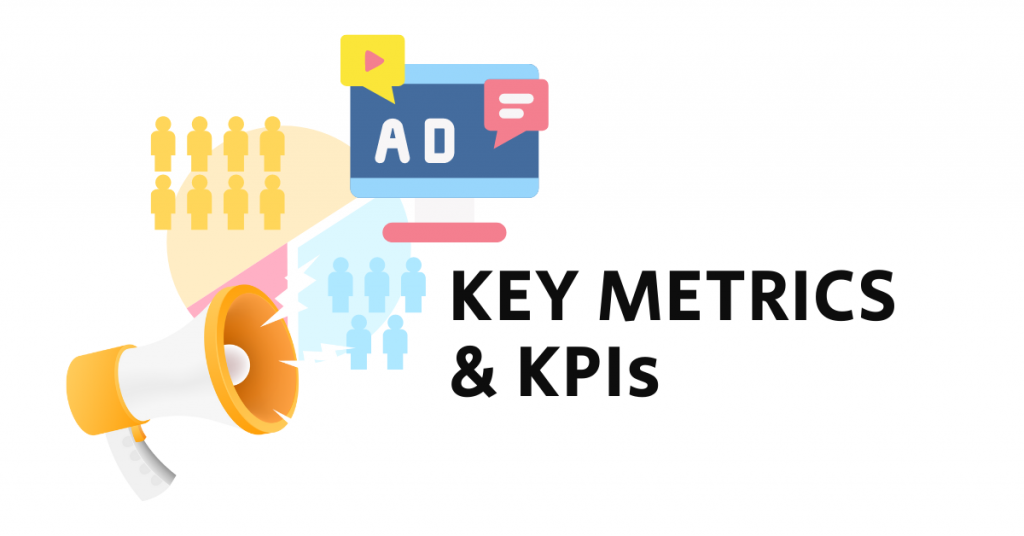
2. Focus on Key Metrics
Knowing which metrics to monitor is essential. Specifically, the following are the most impactful PPC metrics to measure success:
-
Click-Through Rate (CTR): CTR shows the percentage of people who clicked on your ad after seeing it. Generally, a high CTR indicates that your ad copy and targeting are resonating with your audience.
-
Conversion Rate: Conversion rate measures the percentage of clicks that result in a desired action, such as a sale or form submission. Consequently, a strong conversion rate suggests effective ad targeting and relevant landing pages.
-
Cost Per Click (CPC): CPC is the amount you pay each time someone clicks your ad. By monitoring CPC, you can ensure you’re not overspending on clicks that don’t lead to conversions.
-
Cost Per Conversion (CPA): CPA tells you how much each conversion costs. Therefore, it’s critical for evaluating the efficiency of your PPC spend. Lowering CPA while maintaining or increasing conversions is a common goal.
-
Return on Ad Spend (ROAS): ROAS measures how much revenue your ads generate for each dollar spent. Thus, it’s crucial for eCommerce or revenue-focused campaigns.
-
Impression Share: Impression share shows the percentage of times your ad appeared compared to total available opportunities. If your impression share is low, it may indicate that you’re not reaching your audience fully how to measure PPC advertising success.
3. Analyze Audience and Demographics
PPC platforms like Google Ads and Facebook Ads offer insights into demographics, interests, and behaviors. By understanding who engages with your ads, you can refine targeting and messaging. Check metrics such as:
-
Device performance: Compare mobile vs. desktop performance, especially if conversions vary by device.
-
Location insights: Analyze which regions yield higher conversions, allowing for geo-targeted campaigns.
-
Age, gender, and interests: Use demographic data to fine-tune ad creatives and targeting.
Consequently, audience insights help you make better decisions about who to target and how to communicate.
4. Evaluate Ad Quality and Relevance
Ad quality is crucial for PPC success, especially on Google. In fact, high-quality ads often have lower CPCs and How to measure PPC advertising success better ad placements. Here’s what to check:
-
Quality Score (Google Ads): Based on ad relevance, CTR, and landing page experience. Improving your Quality Score can reduce costs and improve ad positions.
-
Relevance Score (Facebook Ads): Reflects how well your ad aligns with your audience’s interests. As a result, a higher relevance score often lowers CPC.
Moreover, improving ad quality involves refining ad copy, using clear calls-to-action, and aligning ads with targeted keywords.
5. Track and Optimize Landing Page Performance
A great PPC ad leads to a well-optimized landing page. Even if your ad is high-quality, poor landing pages can hinder conversions. Key landing page metrics to track include:
-
Bounce Rate: High bounce rates indicate that visitors aren’t finding what they expected. Therefore, ensure your landing page matches your ad’s promise.
-
Average Time on Page: If visitors spend little time, they may not be engaged. By improving content, design, and user experience, you can enhance this metric.
-
Page Load Speed: Slow-loading pages can drive visitors away. Thus, use tools like Google PageSpeed Insights to optimize loading times how to measure PPC advertising success.
6. Use Analytics Tools for Deeper Insights
Analytics tools provide data to identify trends and areas for improvement. For example, Google Analytics allows you to track visitor behavior, assess which keywords drive the most conversions, and monitor multi-channel conversion paths.
Additionally, Google Ads and Facebook Ads Analytics offer in-depth insights into ad performance, audience engagement, and costs. By setting up conversion tracking, you can monitor actions users take after clicking your ads, such as form submissions, purchases, or sign-ups.
7. Perform A/B Testing
A/B testing involves running different ad variations to see which performs best. Regularly, testing allows you to refine campaigns and improve performance. Test elements like:
-
Ad Copy: Experiment with headlines, descriptions, and calls-to-action.
-
Visuals: For display ads, test images, colors, or video content.
-
Audience Segments: Try different demographics or interests to see who engages most.
As a result, A/B testing reveals what resonates with your audience and drives better results.
8. Adjust Based on Performance Data
PPC success isn’t static; it requires constant optimization. Therefore, set regular intervals to review campaign data and consider strategies such as:
-
Pause underperforming ads: If certain ads or keywords aren’t delivering, pause or adjust them.
-
Reallocate budget: Shift funds toward higher-performing ads or demographics.
-
Refine keywords: Add negative keywords to avoid irrelevant clicks and adjust bids on high-converting keywords.
Ultimately, continuous adjustments help ensure your PPC campaigns remain effective and cost-efficient.
FAQ: Measuring PPC Advertising Success
Q1: What is PPC advertising?
A: PPC (Pay-Per-Click) advertising is a digital marketing strategy where you pay for each click on your ads. In other words, you only pay when someone interacts with your ad, making it a cost-effective way to drive traffic.
Q2: Why is it important to measure PPC success?
A: Measuring PPC success ensures that your campaigns generate leads, sales, and ROI. Without tracking, you might waste budget on underperforming ads or irrelevant clicks.
Q3: Which metrics are most important for PPC campaigns?
A: Key metrics include CTR, conversion rate, CPC, CPA, ROAS, and Quality Score. By monitoring these metrics, you can identify what’s working and where improvements are needed.
Q4: How often should I optimize my PPC campaigns?
A: PPC campaigns require ongoing optimization. Therefore, review performance weekly or monthly, adjust bids, test ad variations, and refine targeting to improve results.
Q5: Can analytics tools improve PPC performance?
A: Yes. Tools like Google Analytics, Google Ads, and Facebook Ads Analytics provide insights into audience behavior, ad performance, and conversions. As a result, you can make data-driven decisions to enhance campaign effectiveness.
Conclusion
Measuring PPC advertising success involves tracking metrics that align with your goals, evaluating ad and landing page quality, understanding audience behavior, and making data-driven adjustments. By following these best practices, your PPC campaigns can become a powerful engine for achieving marketing objectives and maximizing ROI.