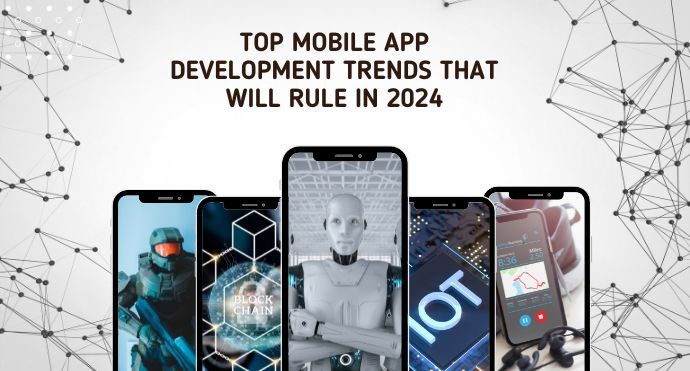
Top Mobile App Marketing Trends to Watch in 2024 are shaping how businesses attract, engage, and retain users. As the mobile app industry continues to grow, marketers must stay informed about strategies like ASO, hyper-personalization, and super apps to ensure their apps stand out in a competitive marketplace.
Whether you’re a startup or an established brand, understanding the latest mobile app marketing trends can be the key to success in 2024. Moreover, staying informed allows you to make strategic decisions that boost visibility and engagement.
1. Increased Focus on App Store Optimization (ASO)
With millions of apps available, App Store Optimization (ASO) is more important than ever. Consequently, ASO ensures your app ranks higher in search results, increasing visibility and driving organic downloads. In addition, it helps you attract users who are actively searching for apps like yours.
-
Keyword optimization: Stay updated with keywords your target audience uses.
-
Creative assets: Eye-catching app icons, screenshots, and videos can drastically improve conversions.
-
Localized ASO: Optimizing for different languages and regions boosts global reach.
2. Hyper-Personalization
Consumers today expect a personalized experience. Therefore, mobile apps that offer tailored content, recommendations, and notifications based on user behavior see higher engagement and retention rates. For example, personalized push notifications can bring users back to your app even after a period of inactivity.
-
AI & ML integration: Use AI to deliver personalized content in real-time.
-
Push notifications: Personalized messages at the right time drive user retention.
3. The Rise of Super Apps
Super apps are becoming increasingly popular, combining multiple functionalities within one app, from messaging to payments and shopping. As a result, marketers need to consider how to expand their app’s offerings to create more value for users. Similarly, integrating multiple services can encourage longer user sessions.
-
Integrated ecosystems: Combine different services to enhance user experience.
-
Cross-promotion: Super apps provide opportunities for cross-promoting services within the same ecosystem.
4. User Retention Over Acquisition
While acquiring new users is crucial, retaining existing ones is more cost-effective and leads to higher lifetime value (LTV). Hence, marketers are focusing on improving user experiences to ensure long-term engagement. Additionally, a loyal user base often acts as a source of organic promotion.
-
Onboarding optimization: Streamline the user onboarding process for a seamless first experience.
-
Loyalty programs: Offer rewards and incentives to keep users coming back.
5. Influencer and Affiliate Marketing for Apps
Influencers and affiliate marketing are powerful tools for driving app downloads. In addition, partnering with the right influencers can boost your app’s credibility and increase its reach to a highly engaged audience. However, choosing the wrong influencer may reduce effectiveness, so targeting the right niche is essential.
-
Micro-influencers: They often have more engaged and niche audiences, leading to better conversion rates.
-
Affiliate networks: Set up app-specific affiliate programs to reward promoters for driving traffic and downloads.
6. Emphasis on User-Generated Content (UGC)
UGC fosters community and trust. Moreover, apps encouraging users to create and share content have higher levels of engagement and organic growth. For instance, allowing users to post reviews or experiences can significantly improve credibility.
-
Community building: Create in-app features that allow users to share experiences.
-
Content sharing incentives: Reward users for sharing content or referring friends.
7. AI-Driven Chatbots for Improved Customer Support
As mobile apps continue to integrate AI technologies, chatbots are becoming a standard for enhancing user support. Thus, these bots help users navigate the app, solve problems, and increase user satisfaction. Meanwhile, human support can focus on more complex issues.
-
24/7 support: Chatbots provide real-time assistance without human intervention.
-
Enhanced UX: Use chatbots to help users complete tasks faster, improving overall satisfaction.
8. Augmented Reality (AR) & Virtual Reality (VR) Marketing
AR and VR are transforming how brands interact with consumers. Consequently, apps incorporating AR/VR provide immersive experiences, from virtual try-ons to interactive ads. Additionally, these technologies can differentiate your app from competitors.
-
AR ads: Use AR in-app ads to engage users more deeply.
-
Interactive product experiences: Apps can allow users to visualize products in their real-world environment before purchasing.
9. In-App Purchases and Subscription Models
More apps are adopting in-app purchases and subscription models to monetize their platforms. Therefore, these models not only increase revenue but also encourage repeat users. For example, a freemium model allows users to try the app before upgrading to premium.
-
Freemium model: Offer free features with the option to upgrade to premium.
-
Exclusive content: Providing paid subscribers with exclusive content or features keeps them engaged and boosts revenue.
10. Data Privacy and App Transparency
With increasing concerns about data privacy, users are more cautious about the apps they download. Accordingly, mobile marketers need to focus on transparency and compliance with data privacy regulations like GDPR and CCPA. Furthermore, demonstrating strong data practices can build trust and encourage downloads.
-
Clear privacy policies: Clearly communicate how user data is collected and used.
-
Transparency in data tracking: Offer users control over their data and tracking preferences.
FAQ: Mobile App Marketing Trends 2024
Q1: What is App Store Optimization (ASO) and why is it important?
A: ASO is the process of optimizing your app’s listing to rank higher in app store search results. This increases visibility, drives organic downloads, and attracts users actively looking for apps like yours.
Q2: How does hyper-personalization improve app engagement?
A: By delivering content, recommendations, and notifications tailored to individual users, hyper-personalization makes users feel understood and valued, which boosts retention and encourages frequent app use.
Q3: What are super apps and should my app become one?
A: Super apps combine multiple services—like messaging, shopping, and payments—into a single platform. While not every app needs to become a super app, integrating complementary features can enhance user experience and engagement.
Q4: Why focus on user retention instead of only acquisition?
A: Retaining existing users is generally more cost-effective than acquiring new ones. It also increases lifetime value (LTV) and often leads to organic referrals.
Q5: How can AI-driven chatbots benefit my app?
A: Chatbots provide 24/7 support, guide users through the app, and help complete tasks faster. This improves user satisfaction while reducing the burden on human support teams.
Q6: What role do AR and VR play in app marketing?
A: AR and VR offer immersive experiences, like virtual try-ons or interactive ads, helping users engage with products in a unique and memorable way.
Q7: How can I build trust regarding data privacy?
A: By being transparent about data collection, offering user control over tracking, and complying with regulations like GDPR and CCPA, you demonstrate responsibility and build user trust.
Conclusion
Staying ahead in the mobile app marketing game requires constant adaptation to new trends. By implementing strategies ranging from ASO to AI-driven chatbots, marketers have a variety of tools at their disposal. Moreover, combining these tactics ensures both growth and long-term engagement.
Ultimately, by focusing on personalization, user retention, and embracing new technologies, you’ll be well-equipped to grow your app’s user base in 2024. In addition, a proactive approach will help you stay ahead of competitors in an ever-changing landscape.